

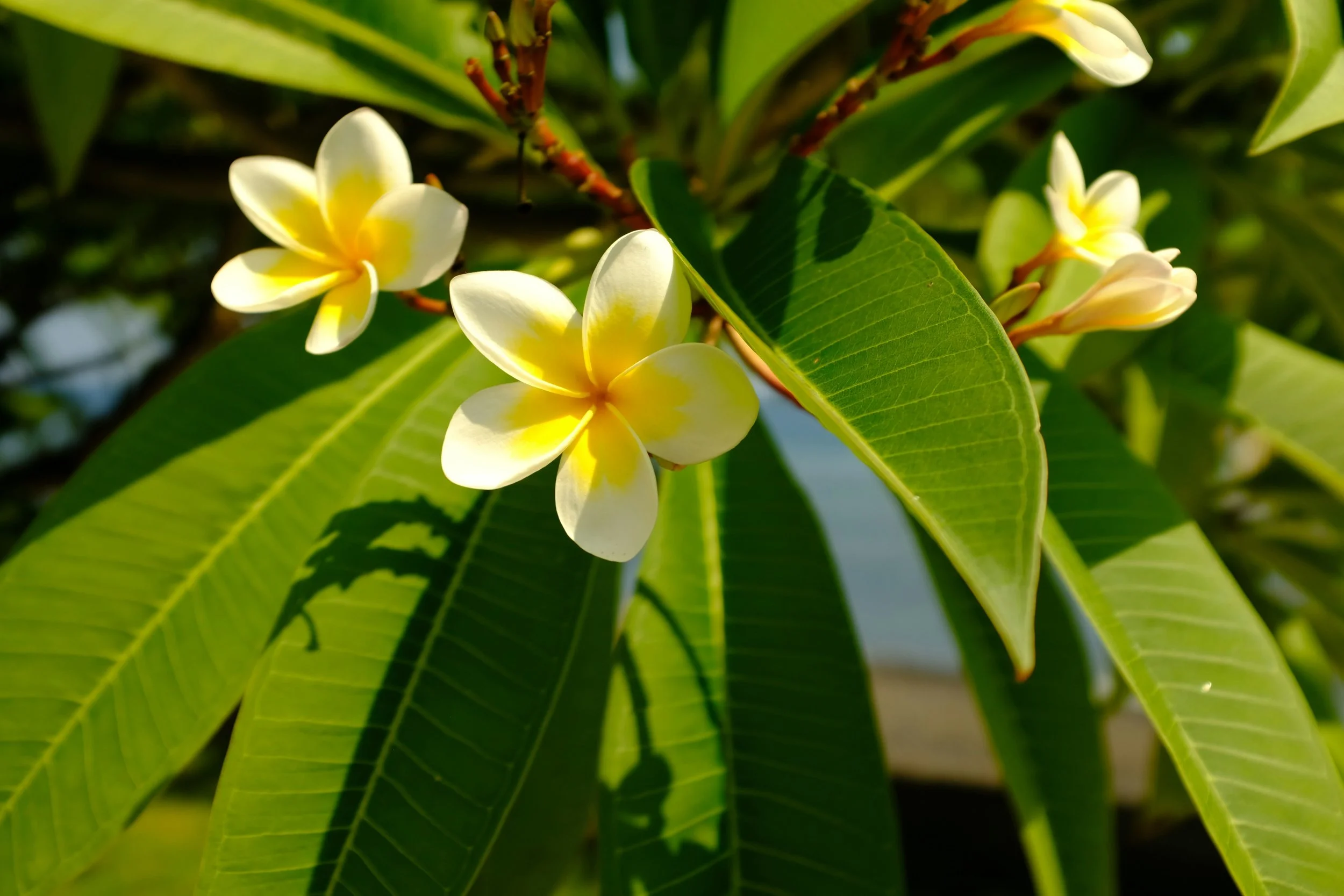
Travel Is More Than a Destination, It’s a Story
-
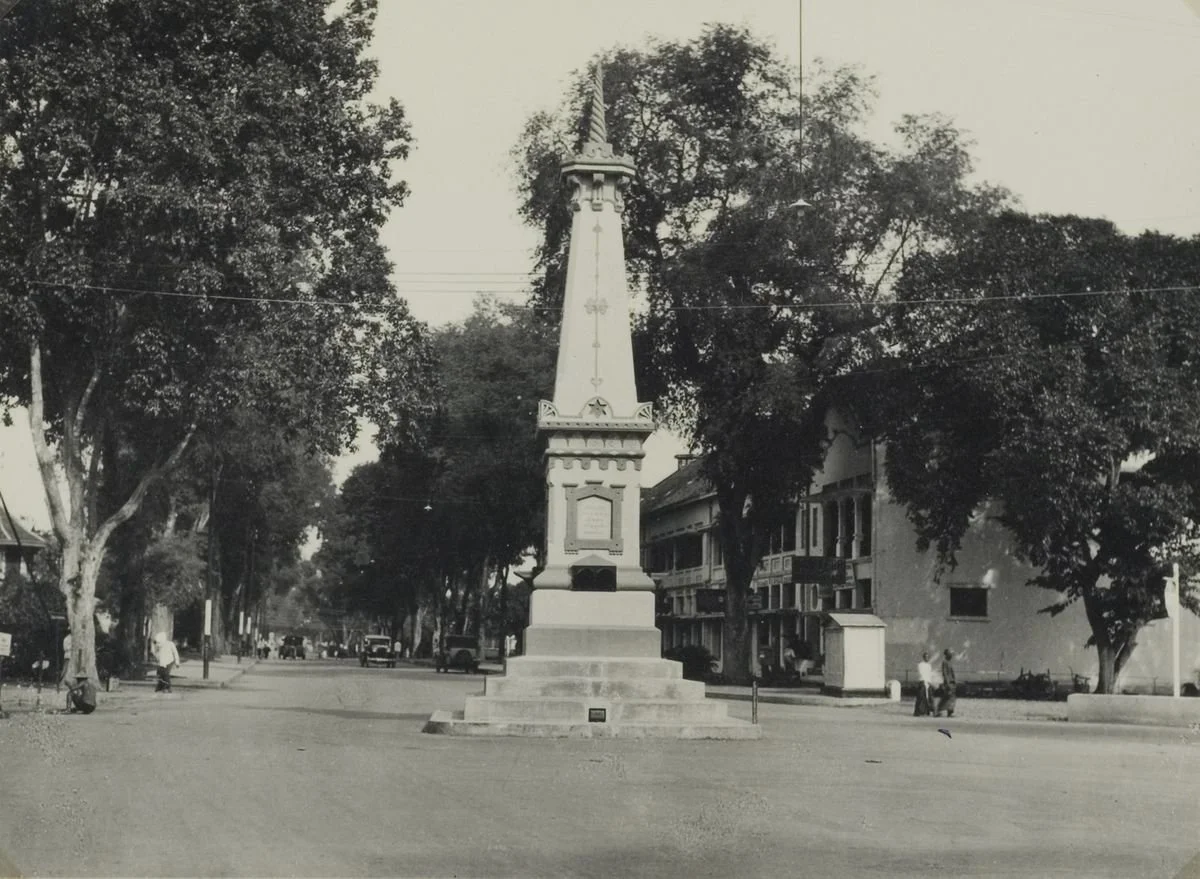
Tugu Golong Gilig: The Unity You Never Knew You Were Standing Under
Stuck in traffic at Tugu Yogyakarta? You might actually be standing at the exact intersection of the universe and your own soul. Long before becoming the city's famous white landmark, this sacred monument was known as Tugu Golong Gilig, built by Sri Sultan Hamengkubuwono I as a vital anchor of Yogyakarta’s legendary Cosmological Axis. Rebuilt after the devastating 1867 earthquake, its original design symbolized Manunggaling Kawula Gusti the profound unity between humanity and the Creator hiding a deep spiritual philosophy right in plain sight.
-
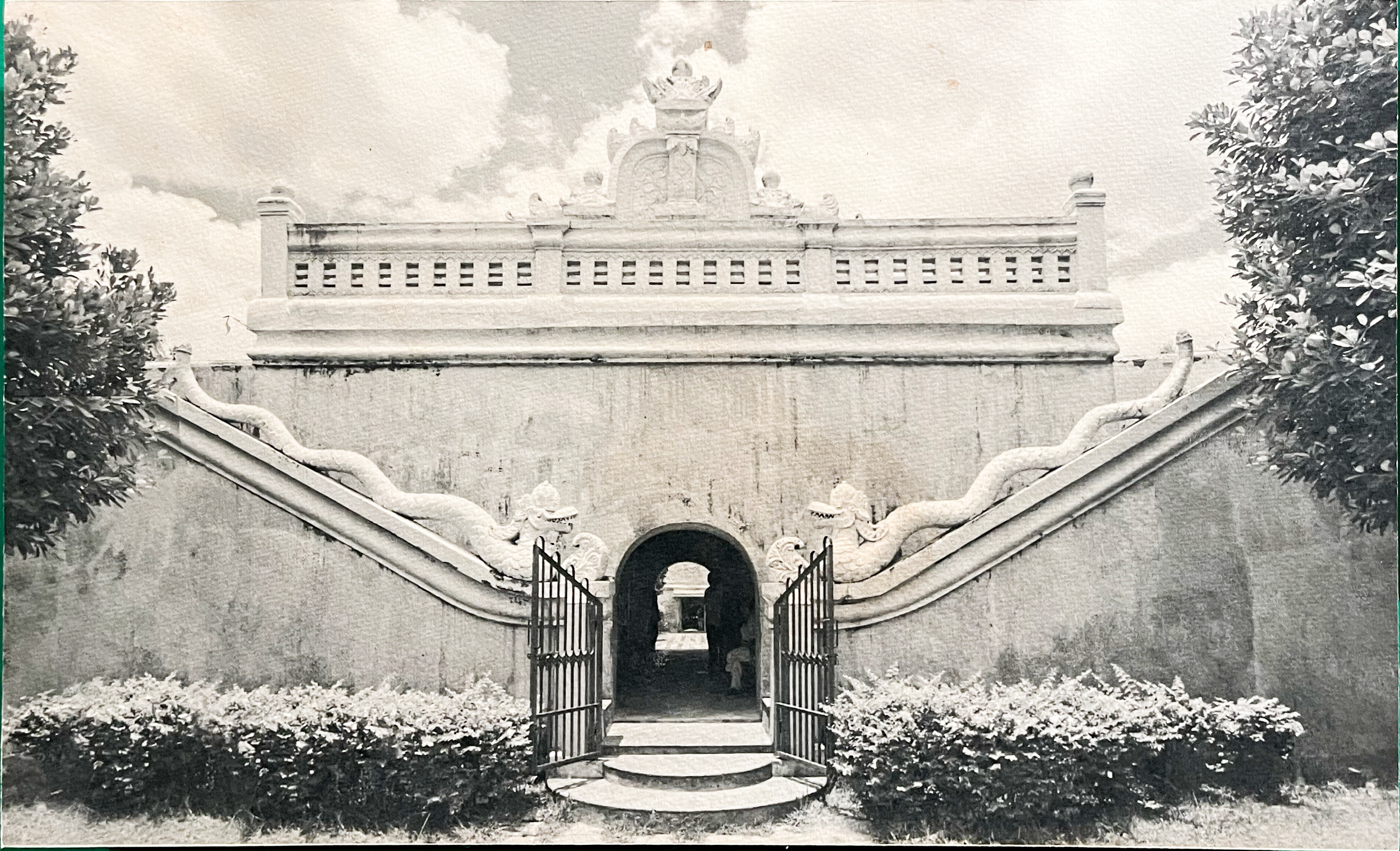
Taman Sari: The Living Legacy Behind Yogyakarta's Water Palace
Taman Sari is far more than Yogyakarta’s most photographed landmark it is a living, breathing testament to royal ingenuity and cultural endurance. Built in the 18th century by Sri Sultan Hamengku Buwono I, this sprawling "Water Castle" uniquely blended leisure, defense, and spirituality. From its Portuguese influenced arches and Javanese architectural foundations to the underground tunnels and bustling community living within its ancient walls, discover why Taman Sari remains an enduring symbol of Yogyakarta’s vibrant heritage.
-
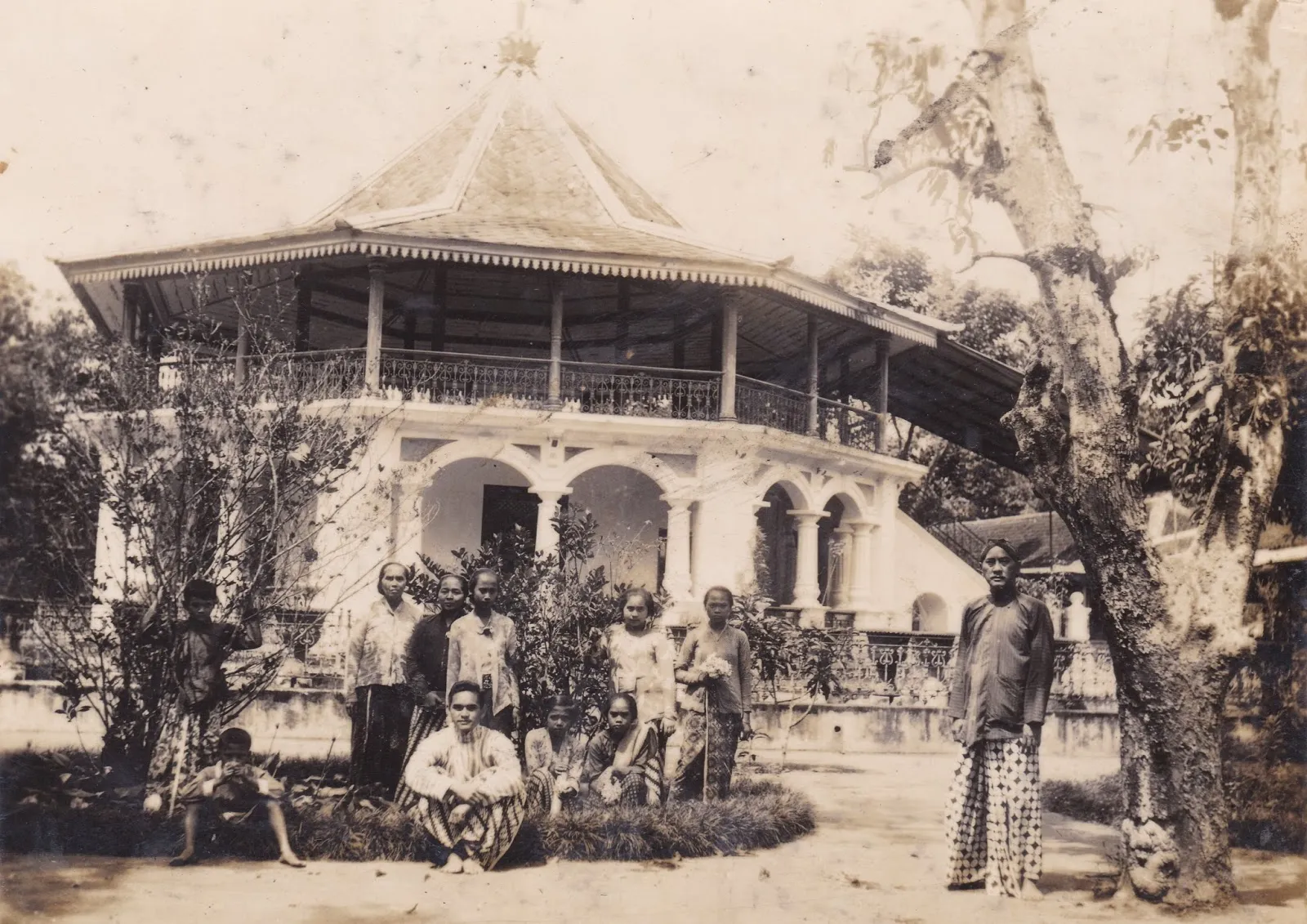
Kedhaton Ambarrukmo, the living glory of Yogyakarta’s sultanate.
Kedhaton Ambarrukmo is a hidden royal sanctuary standing proudly in the heart of modern Yogyakarta. Once a prestigious retreat for Sultan Hamengkubuwono VII and a stage for historical negotiations with colonial powers, this architectural marvel now bridges the past and the present within the grounds of Plaza Ambarrukmo. Discover the profound Javanese philosophies from Sangkan Paraning Dumadi to Manunggaling Kawula Ian Gusti etched into its sacred spaces, and experience the living legacy of the Sultanate through royal tea rituals and traditional gamelan performances.
-
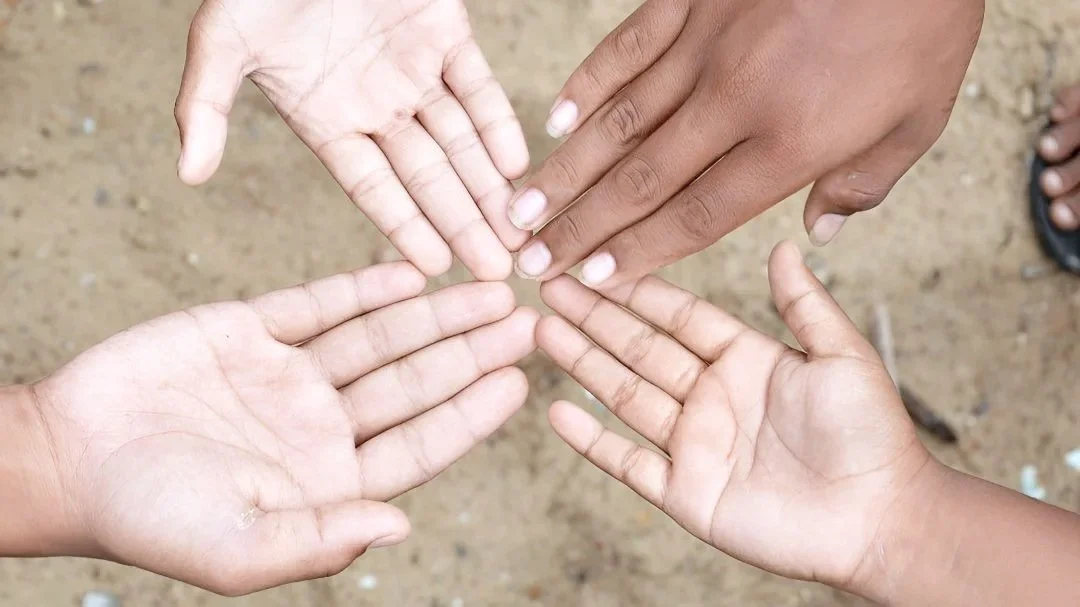
Learning through Javanese Traditional games : Hompimpa Alaium Gambreng
Unlock the childhood nostalgia of Java with Hompimpa the iconic game that is much more than a simple way to pick teams. While it serves as the ultimate "lottery" for Javanese kids, its rhythmic chant, “Hompimpa alaium gambreng,” carries a profound folk philosophy about our connection to the Creator. Discover the history, the rules, and the hidden cultural values behind Indonesia’s most beloved way to decide who goes first.
-
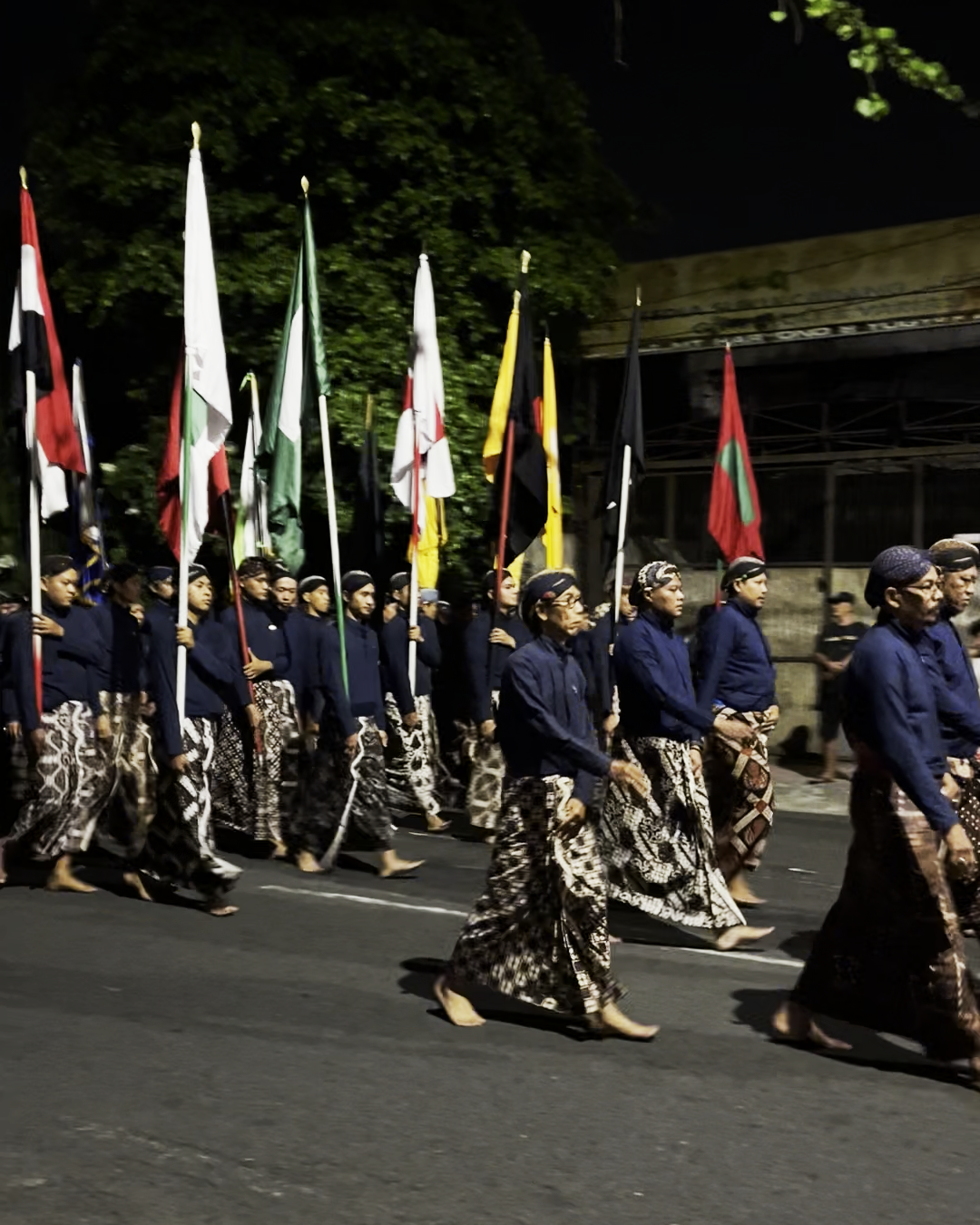
Malam satu suro celebration in Yogyakarta and what makes it different.
Malam Satu Suro in Yogyakarta is more than just a New Year’s Eve; it is a sacred night of deep introspection and spiritual cleansing. Rooted in Javanese philosophy and the traditions of the Yogyakarta Sultanate, this night is defined by the solemn Topo Bisu a silent meditation walk around the palace fortress and the ritual Jamasan Pusaka, where royal heirlooms are cleansed. From coastal Sedekah Laut offerings to the quiet streets of the city, discover how the Javanese community embraces silence, mindfulness, and gratitude to welcome the new year with a purified heart.
-
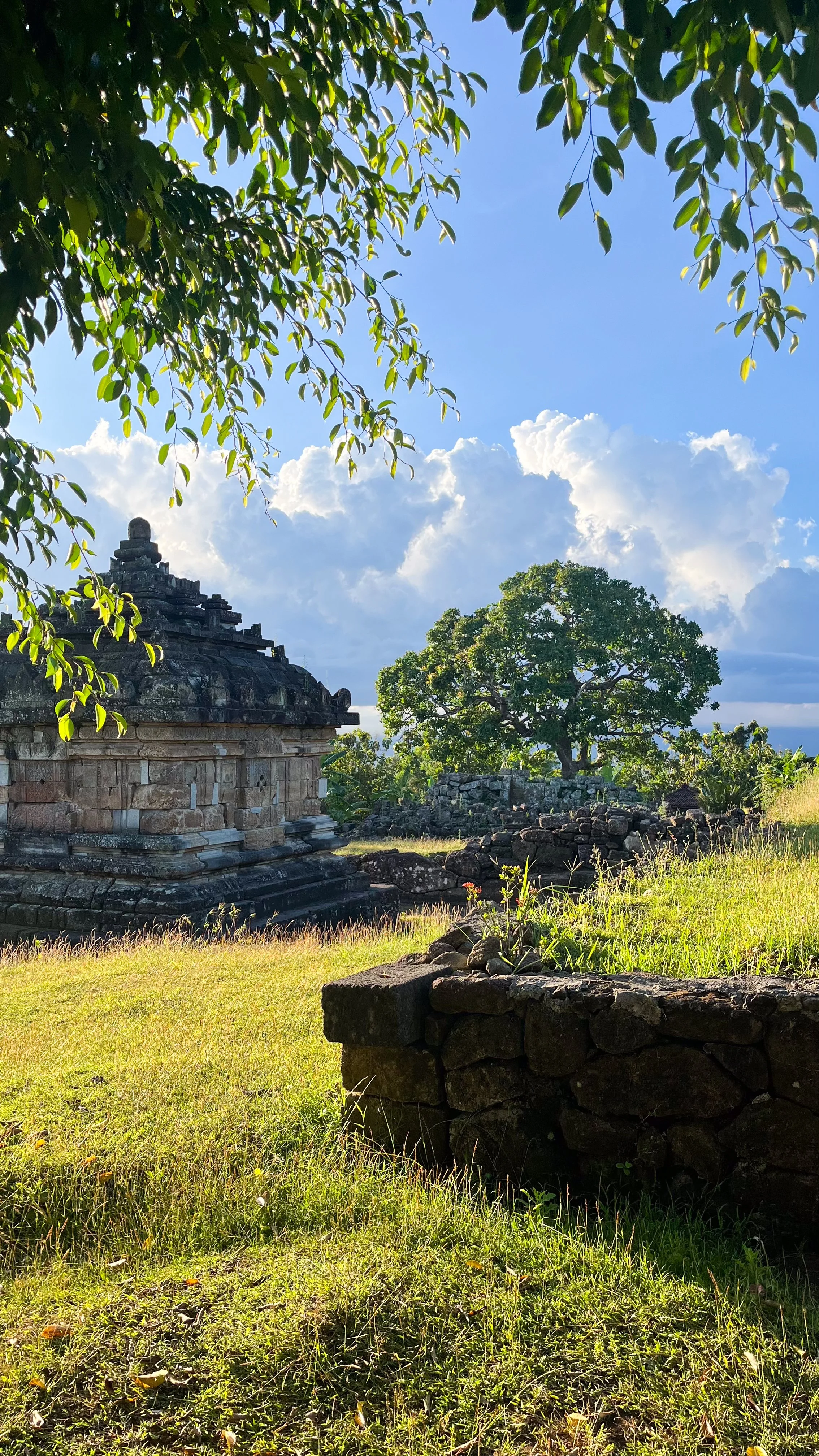
Candi Ijo: the unique temple of Yogyakarta
Perched 427 meters above sea level, Candi Ijo is not just Yogyakarta’s highest temple it is a breathtaking bridge between ancient Hindu spirituality and the horizon. Built by the Mataram Kingdom in the 9th century, this majestic complex offers more than just historical intrigue; it provides an unparalleled vantage point to watch the sunset over the Javanese plains. Discover the mystery behind its hilltop placement, the intricate mythology etched into its stone, and why this "hidden" sanctuary is a must-visit for anyone seeking a unique perspective on Indonesia’s rich cultural heritage.
-
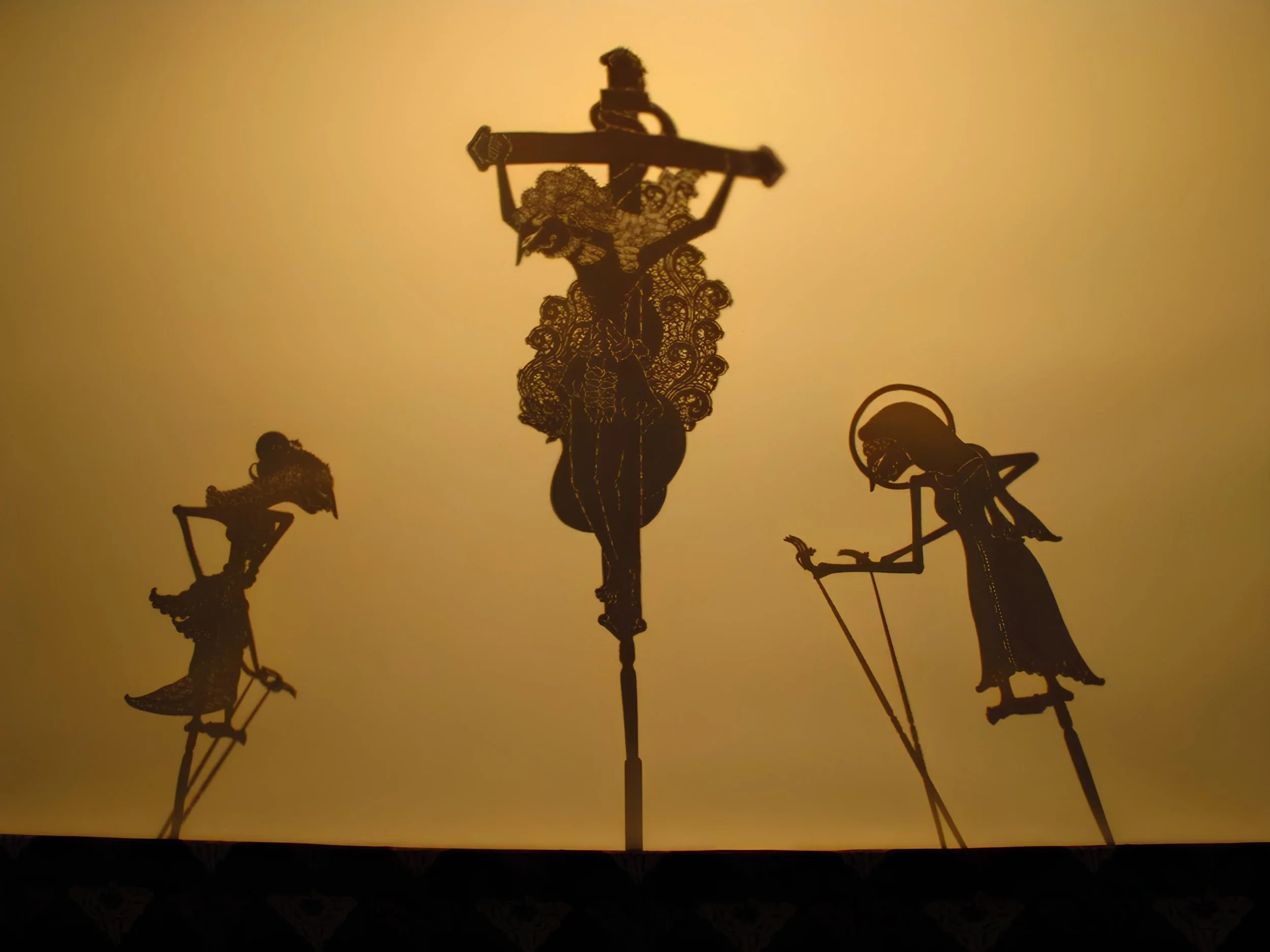
Ascension Day of Jesus Christ celebration in Yogyakarta
Discover the unique spirit of Ascension Day in Yogyakarta, where sacred Christian traditions meet deep rooted Javanese harmony. From solemn Mass in historic colonial churches to the inspiring interfaith "Tolerance Walks," experience how this national holiday becomes a powerful celebration of unity in Indonesia’s cultural heart.
-
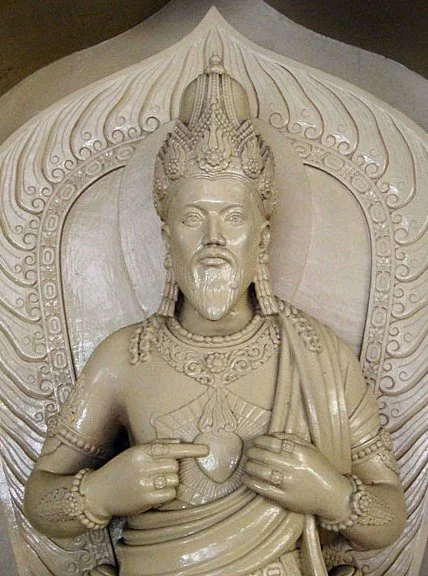
Gereja Ganjuran: The unique acculturation that happened in Yogyakarta.
At Yogyakarta’s Gereja Ganjuran, Catholic faith speaks the language of Java. Featuring Joglo architecture and a Javanese styled Jesus, this church is a masterclass in cultural acculturation. Discover a sacred space where global belief and local tradition blend to create a spiritual home that is uniquely Indonesian.
-
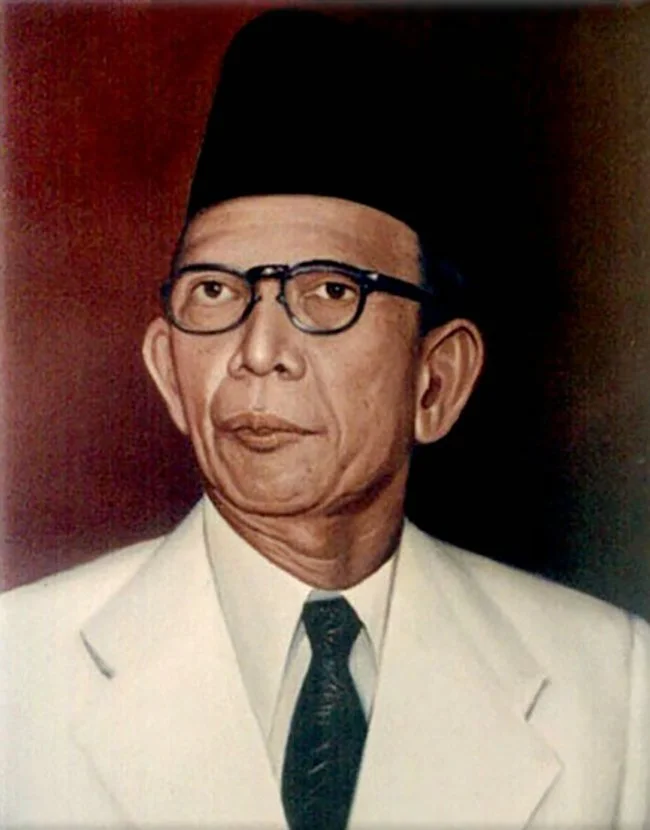
More Than a Teacher: The Man Behind the Movement
Ki Hajar Dewantara didn’t just build schools; he sparked a revolution of the mind. Born into nobility but fueled by rebellion, he traded his royal title to ensure that education became a right, not a privilege. From his bold critiques of colonial rule to the founding of Taman Siswa, discover the visionary philosophy of the man who believed schools should shape free-thinking humans, not just obedient workers. Explore the legacy of the "Father of Indonesian Education" and the timeless meaning behind Tut Wuri Handayani.
-
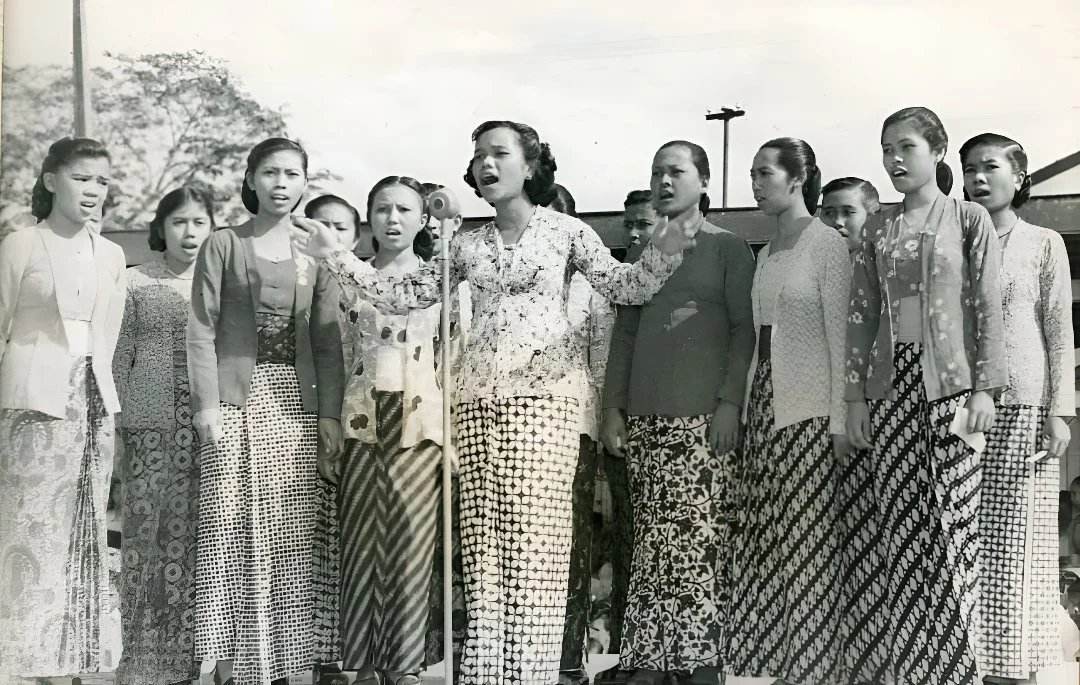
Kebaya: A Fabric of Indonesian Women Identity
More than a garment, the kebaya is a living history a quiet language of identity, resistance, and cultural memory. From its hybrid origins along ancient trade routes to its role as a national icon and a modern fashion statement, discover how this elegant blouse has been reshaped by generations of Indonesian women. It is a story of grace, patience, and a tradition that refuses to stay still, proving that while clothes carry history, it is the women who define the fabric.
-
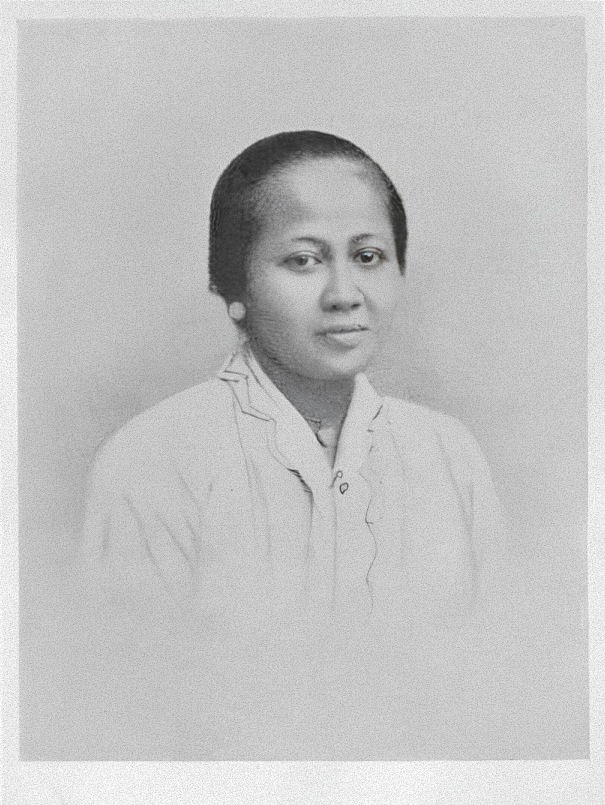
Raden Ajeng Kartini, The pioneer of women's rights in Indonesia.
Raden Ajeng Kartini was more than a national heroine; she was a revolutionary mind trapped behind the walls of tradition. Through her iconic letters, compiled as Habis Gelap Terbitlah Terang (Out of Darkness Comes Light), she voiced the silent longings of a generation of Indonesian women for education and independence. Discover the profound internal conflict of a Javanese noblewoman who turned her confinement into a bridge for progress, and see how her questions about choice and freedom still echo in the lives of modern women today.
-
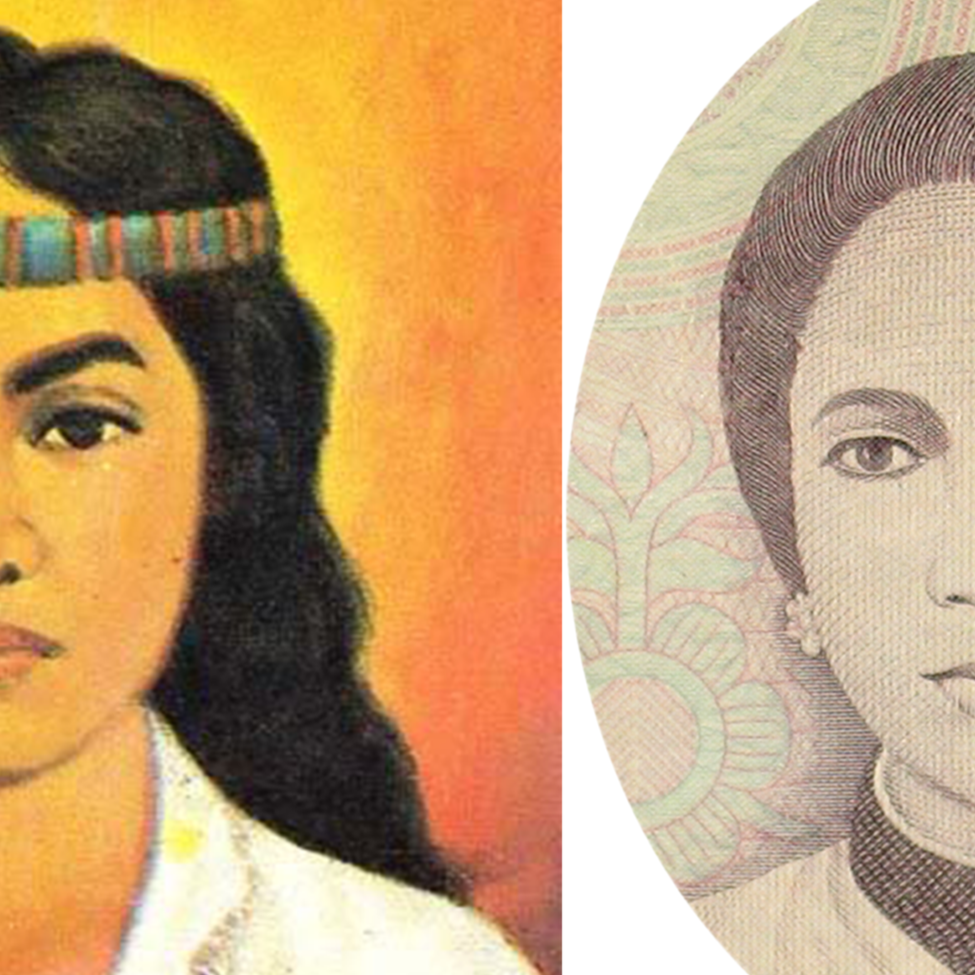
Beyond the Battlefield: The Many Roles of Women in Indonesia’s Colonial Resistance
Indonesia’s fight for freedom was never confined to the battlefield alone. From the fierce guerrilla leadership of Cut Nyak Dien in Aceh to the fearless youth of Martha Christina Tiahahu in Maluku, women were the architects of resistance. Discover how these heroines challenged colonial rule through military genius, spiritual strength, and unyielding defiance, proving that the heart of the revolution was as diverse as the archipelago itself.
-
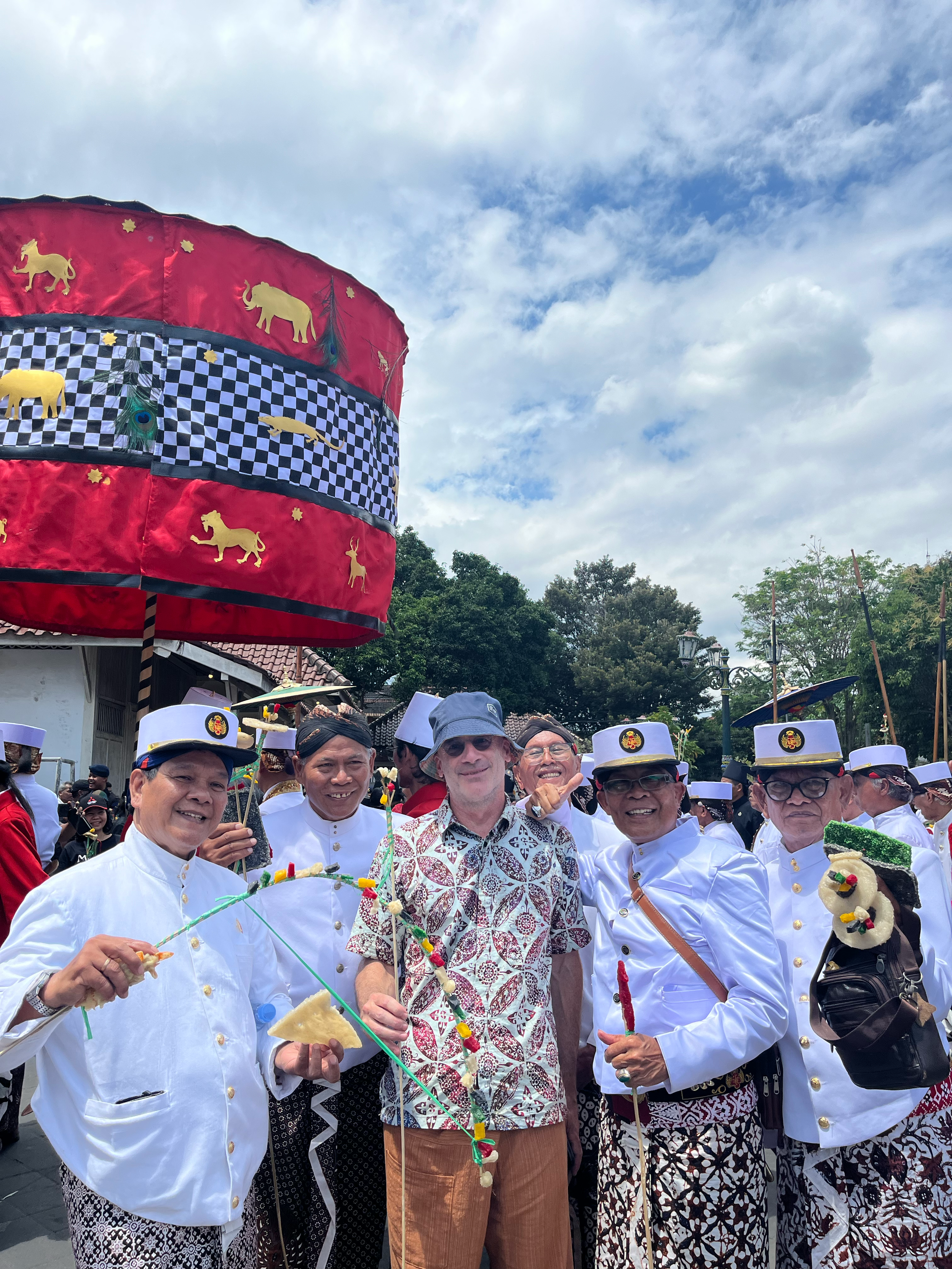
Why People in Yogyakarta Tend to Be So Friendly
Beyond the smiles of Yogyakarta lies a deep cultural philosophy of harmony and refinement. From the Javanese concepts of Rukun and Alus to the enduring influence of the Royal Palace (Keraton), discover why Jogja’s famous friendliness is more than just a personality trait it’s a centuries-old way of life dedicated to social balance, mutual respect, and emotional intelligence.
-
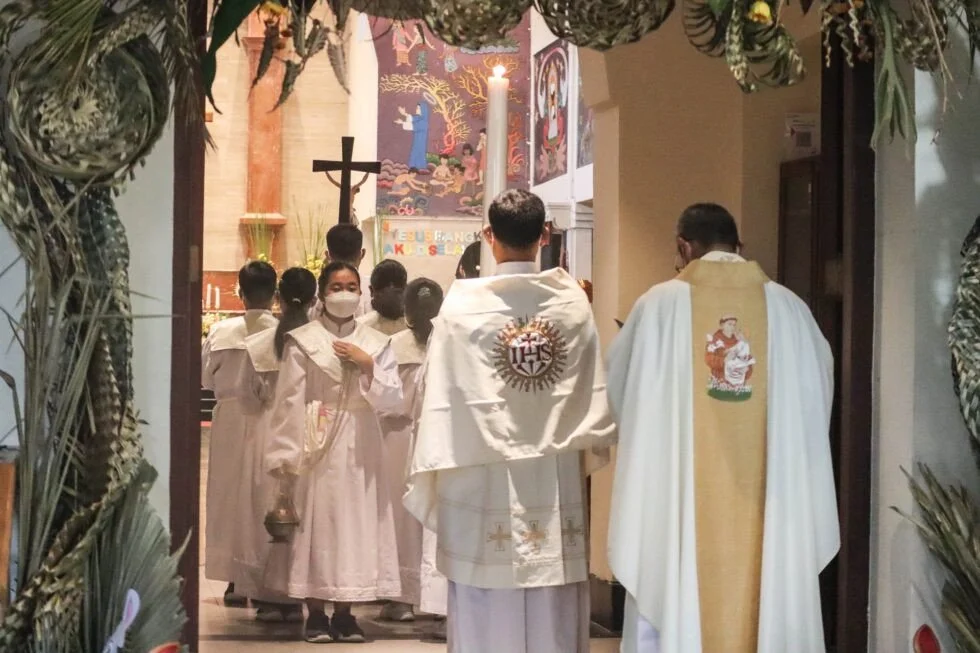
Good Friday and the historic church of Yogyakarta.
Experience the quiet solemnity of Good Friday at Yogyakarta’s historic Gereja Kotabaru. From its 1926 Dutch colonial architecture and unique Javanese inspired murals to the powerful spirit of gotong royong between faiths, the city offers a profound look at religious harmony. Discover a modest yet deeply reflective celebration where Javanese spirituality and Catholic devotion meet in the heart of Jogja.
-
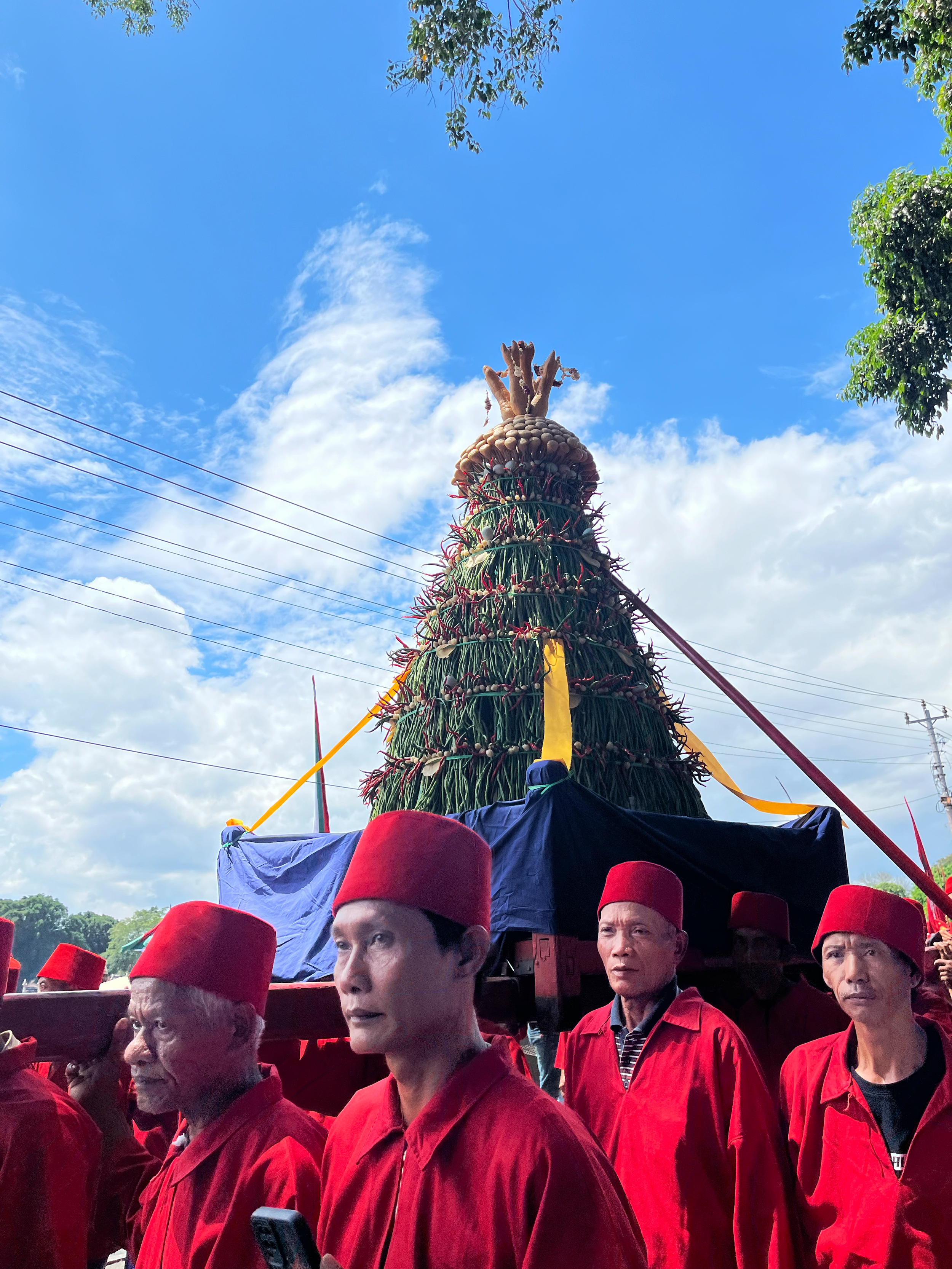
Ramadan in Yogyakarta: Traditions That Bring the City to Life
Experience the soul of Ramadan in Yogyakarta, where ancient Javanese rituals meet Islamic devotion. From the purifying waters of Padusan to the Sultan’s grand Grebeg Syawal procession, discover the unique traditions and royal ceremonies that bring the holy month to life in Indonesia’s cultural capital.
-
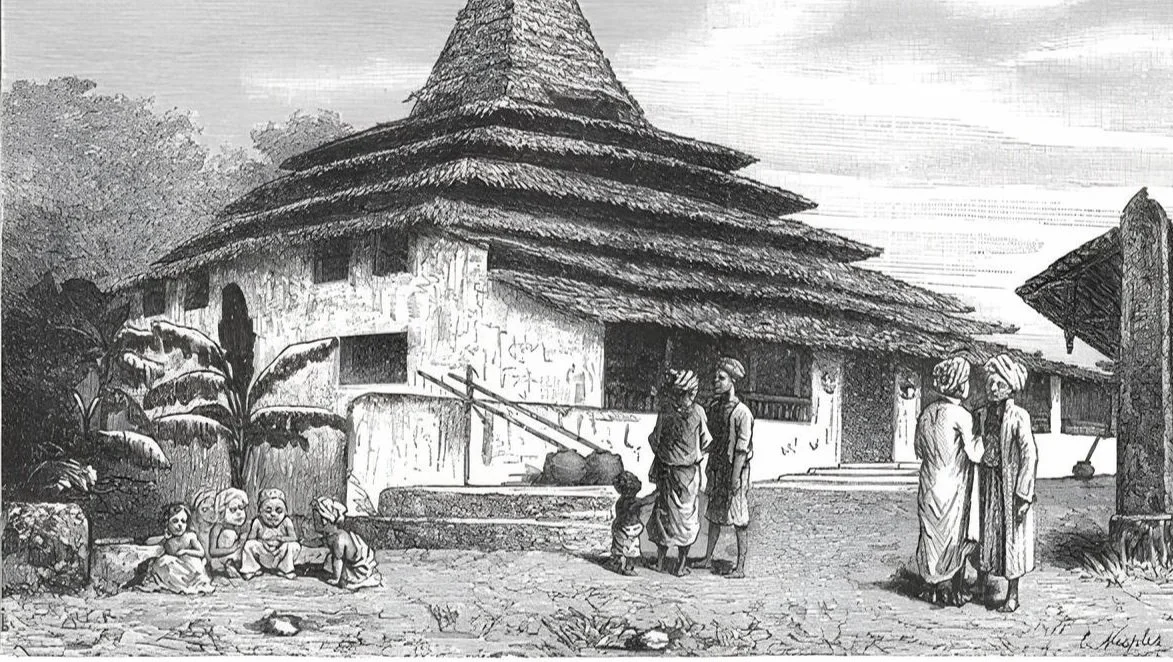
The Rise of Islam in Java
Islam in Java is a masterpiece of cultural harmony, not conquest. From spice-trading ports to the legendary Wali Songo, discover how global faith blended with Javanese art and shadow puppets to create a unique spiritual landscape where religion and ancient tradition still thrive together today.
-

Tracing the Historical Roots of Yogyakarta’s Sweet Legacy
Gudeg is the slow-simmered soul of Yogyakarta—a dish that has captured the heart of Java since the 1500s. More than just a meal of young jackfruit and palm sugar, it is a culinary exercise in Sabar (patience), requiring hours of meditative slow-cooking to achieve its iconic mahogany hue. From its humble origins as a survival staple in the Mataram forests to its status as a royal delicacy in the Sultan’s palace, Gudeg remains a timeless reminder that the richest flavors in life cannot be rushed.
-

The Spirit of Lokally
Lokally was born from the belief that travel is about connection with people, stories, and the spirit of a place. Rooted in Yogyakarta, it offers authentic experiences beyond tourist routes, linking travelers with artisans, farmers, and storytellers who keep culture alive. More than a journey, Lokally is a community that celebrates local heritage and meaningful connections inviting you to explore the world as a friend, not a tourist.
-

Beyond the Shade: Unpacking the Timeless Javanese Philosophy of the Banyan Tree
The Banyan tree (Pohon Beringin) is the living heart of Javanese philosophy, embodying core life lessons from the principle of living to benefit others (Urip Kuwi Urup) and nurturing resilience, to the sacred duty of protection and the humility of staying rooted to one’s origins.
-
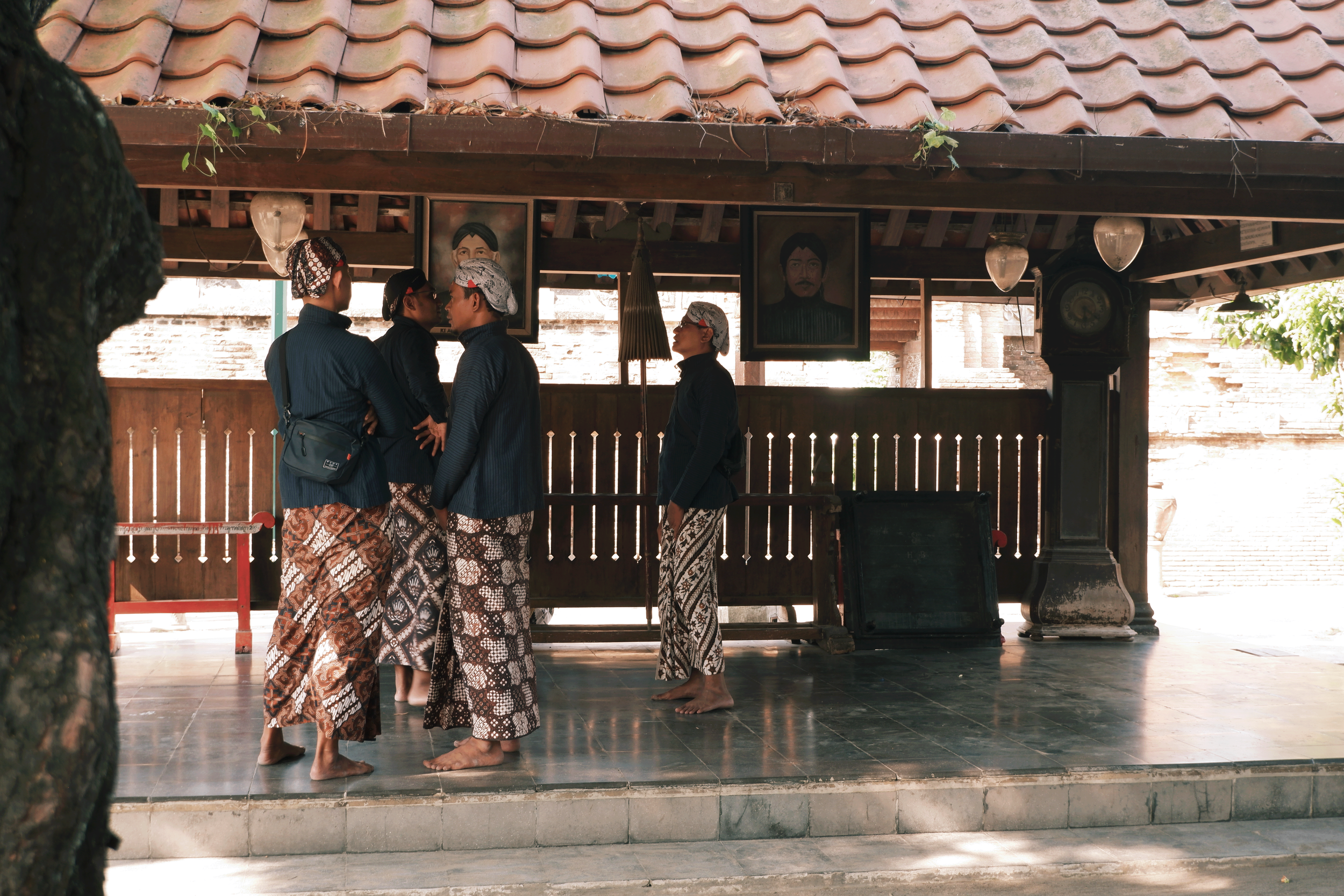
The 4 Core Principles of Javanese Ethics: A Guide to Harmony and Respect
Javanese ethics centers on rukun (harmony), pursued through key principles like tepa selira (respect) and laku (self-control). This article explores how these core values, alongside foundational philosophies like Memayu Hayuning Bawono, shape a unique worldview focused on social unity, selfless devotion, and cosmic balance.
-
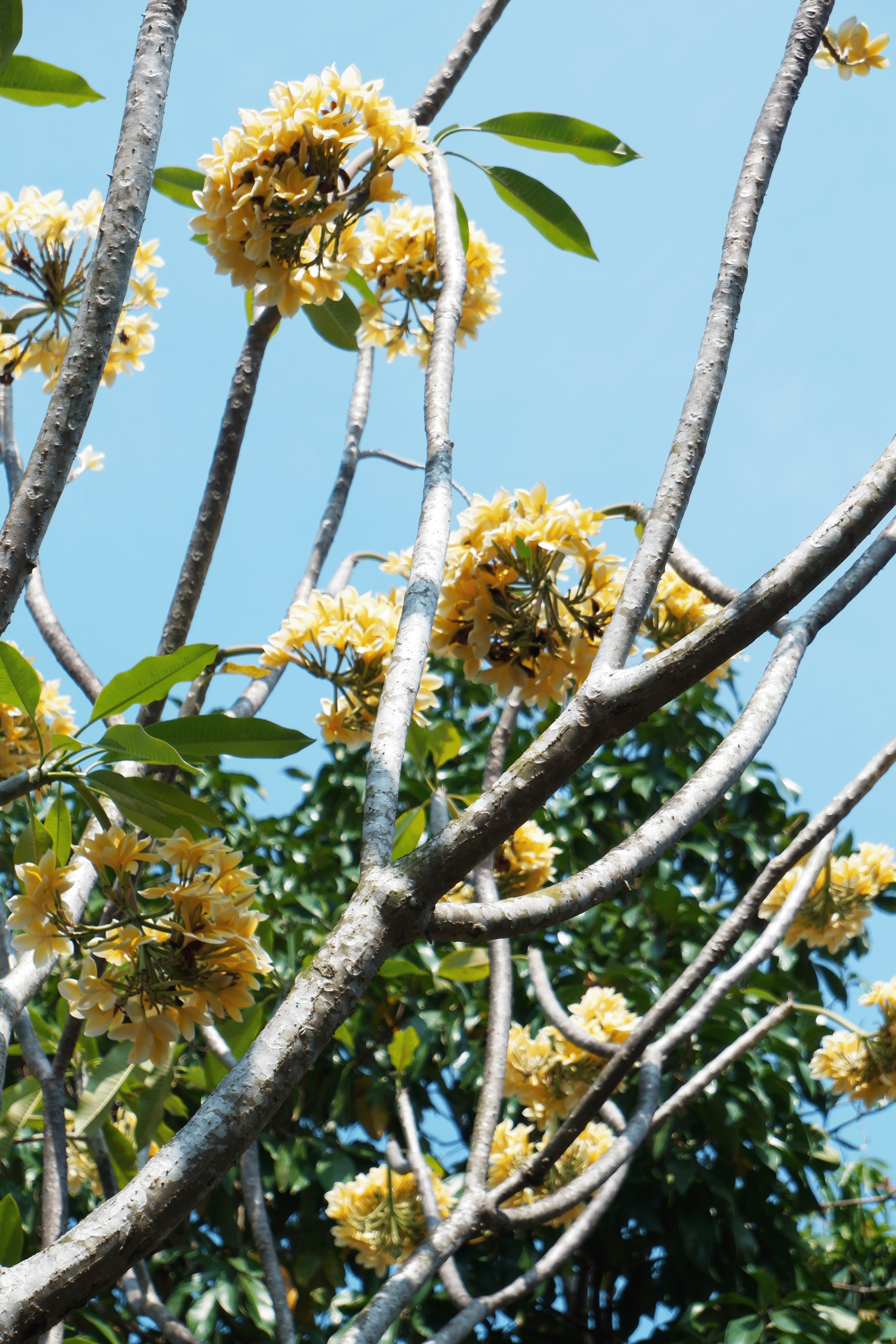
Petals of Memory: Frangipani Symbolism Across Southeast Asia
Unravel the true meaning of Java's Pohon Kamboja (Frangipani). Beyond the 'cemetery tree' stigma, explore its symbolism as a serene witness to the immortal soul, ancestral devotion, and the harmony between life and death.
-
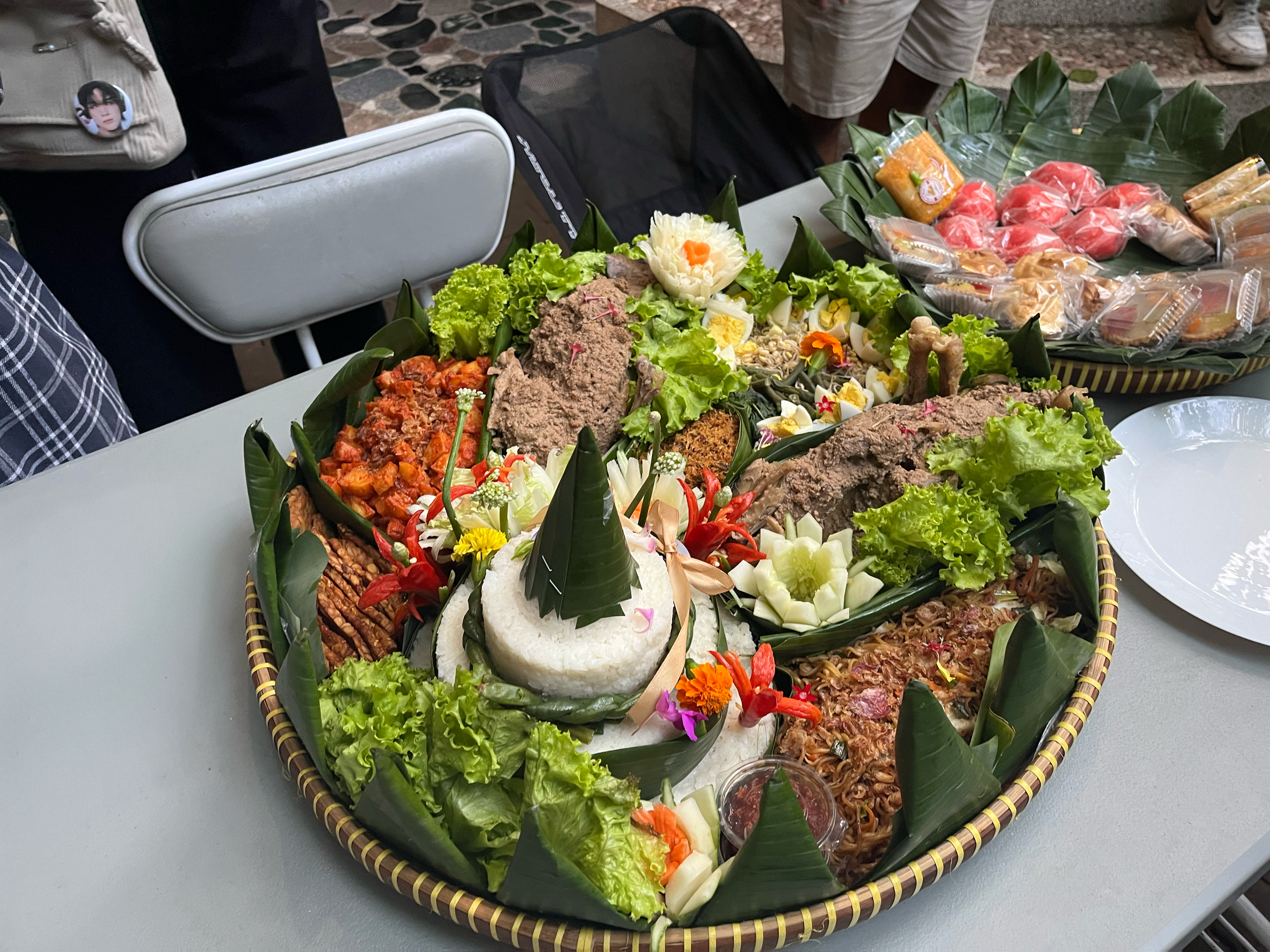
The Philosophy of Tumpeng: Meaning, Symbolism, and Javanese Wisdom Behind Indonesia’s Iconic Celebration Dish
The Tumpeng is Java's symbolic cosmos. This iconic cone shaped rice dish embodies centuries of philosophy, unity, and spiritual gratitude. Discover how its seven side dishes and central form serve as a living lesson in humility and harmonious life, defining Javanese identity in every celebration.
-

Rice and the Soul of the Archipelago: The Spiritual and Cultural Philosophy of Rice in Javanese and Southeast Asia.
Rice is the sacred heartbeat of Southeast Asia a living entity that embodies memory, cosmology, and identity. Beyond the fields, it represents a profound philosophy of gratitude, social harmony, and cosmic balance. From the divine myths of Dewi Sri to the communal wisdom of gotong royong, discover how rice shapes the moral character and spiritual rituals of Java and the Archipelago, proving that every grain is a bridge between the human and the divine.
-
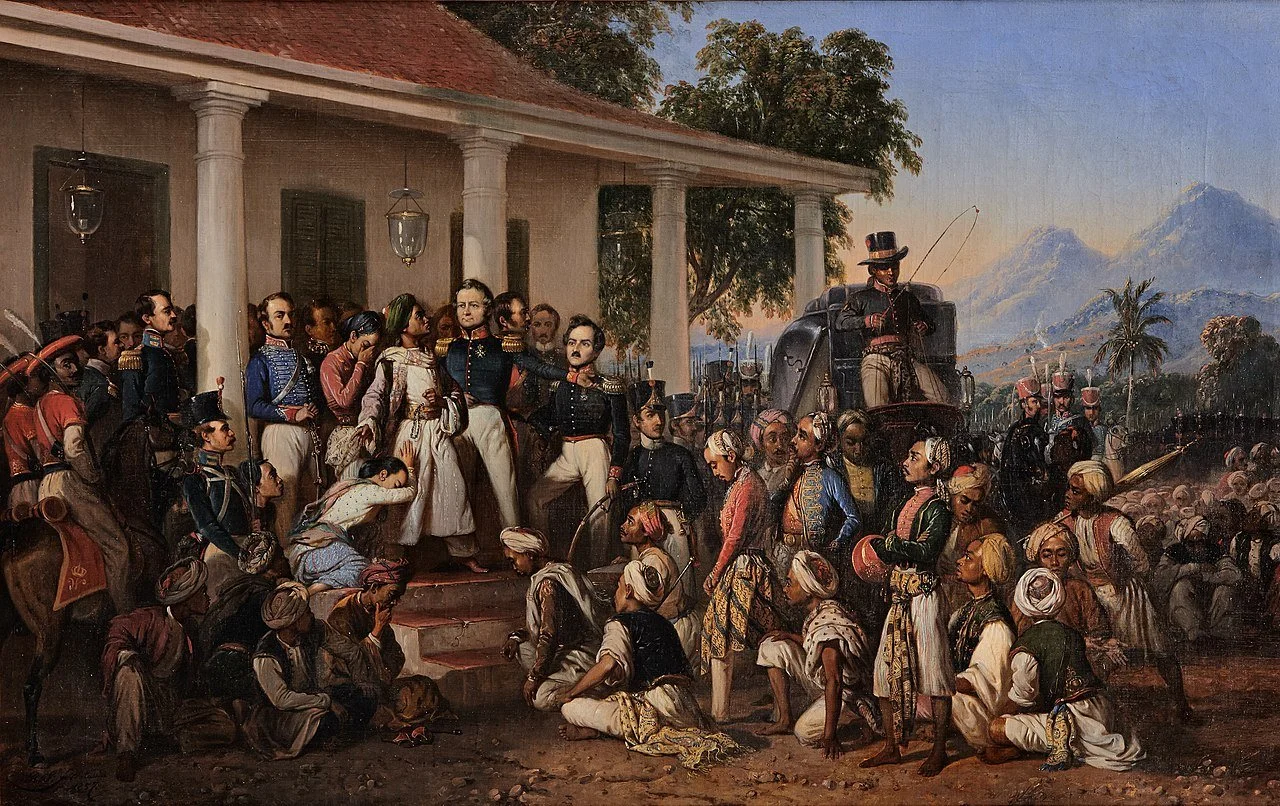
Raden Saleh: Creativity, Resistance, and the Indonesian Modern Art Pioneer.
Raden Saleh was the visionary bridge between European Romanticism and the Javanese soul. As the Father of Modern Indonesian Painting, he transformed the canvas into a space for identity and subtle colonial resistance. Discover the pioneer who reclaimed Indonesia’s narrative through the power of art.
-
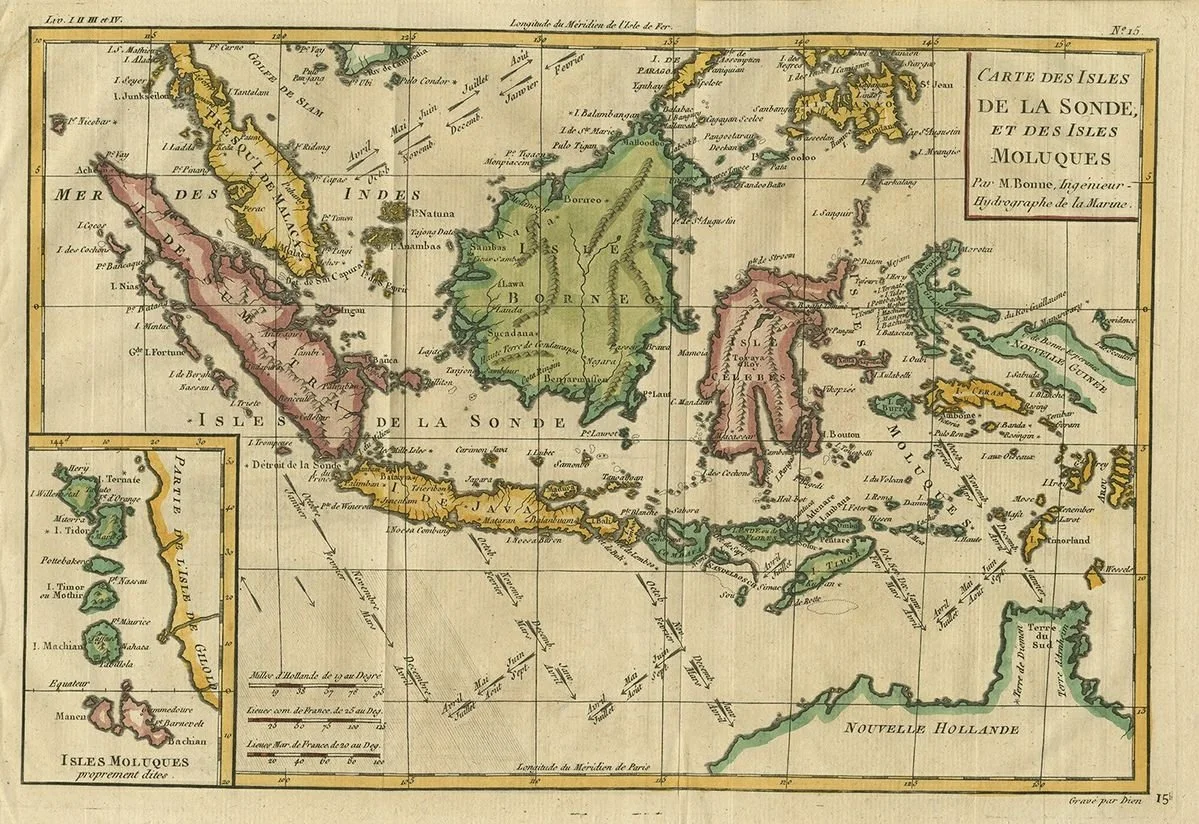
How Bahasa Indonesia Was Born and How It Quietly Shaped a Nation
Bahasa Indonesia is the bridge that unites 700+ regional languages into one national identity. Born from trade and forged in revolution, it represents a bold choice for equality over ethnic dominance. Explore how this linguistic mosaic spanning 155 million speakers evolved from a simple Malay dialect into a powerful symbol of unity, resistance, and the shared soul of the archipelago.
-

The Spice Monopoly and Its Legacy: How 350+ Years of Dutch Colonial Rule Shaped Modern Indonesia
Long before borders were drawn, the archipelago’s spices dictated global power. From the VOC’s ruthless 17th-century monopoly to the thousands of Dutch loanwords still used in Bahasa Indonesia today, the colonial era left a footprint deeper than trade. Explore how centuries of extraction reshaped our laws, our language, and even the way the world eats revealing a complex history where indigenous resilience and colonial scars live side by side.
-
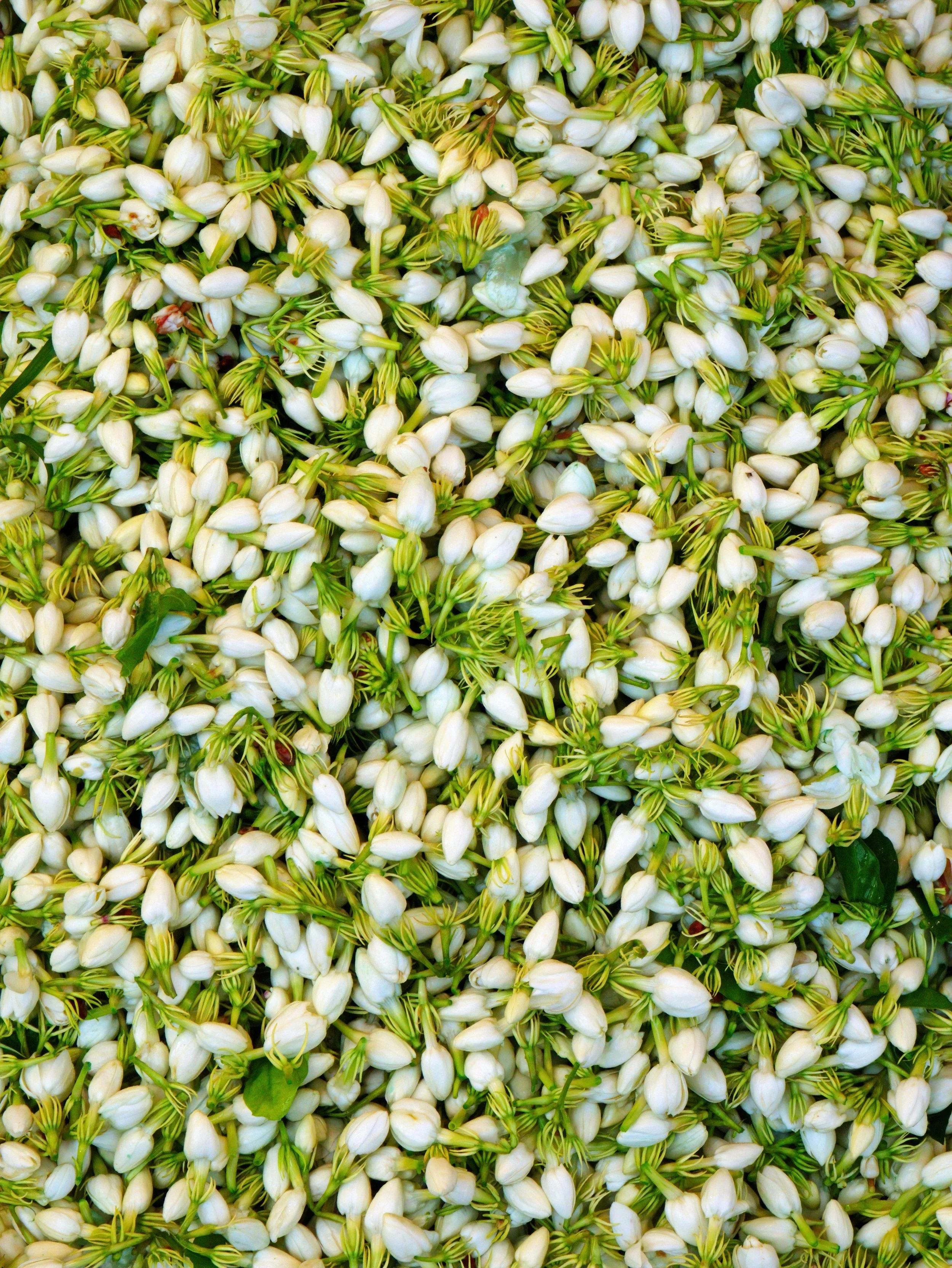
The Fragrance of Sincerity in Javanese Life
The Jasmine flower (Melati) is the olfactory thread that binds Javanese life from birth to death. More than just a tropical bloom, it is a living metaphor for purity, humility, and a uniquely Javanese resilience. From the sacred floral arrangements of weddings to the calming steam of a daily cup of tea, discover how this delicate white petal carries the weight of an entire culture’s devotion to grace, health, and spiritual peace.