

How Bahasa Indonesia Was Born and How It Quietly Shaped a Nation
Indonesia is often described as a country of many languages. And that is not a metaphor, it is a fact. More than 700 regional languages are spoken across the archipelago, used daily in homes, markets, rituals, and jokes that don’t always translate. Yet, across islands, ethnicities, and histories, Indonesians understand one another through a shared language: Bahasa Indonesia.
It functions as a lingua franca, a bridge language between people who do not share the same mother tongue. It is the language of education, media, law, and national conversation. But for most Indonesians, it was never their first language.
So how did a language that was not native to the majority become the voice of a nation?
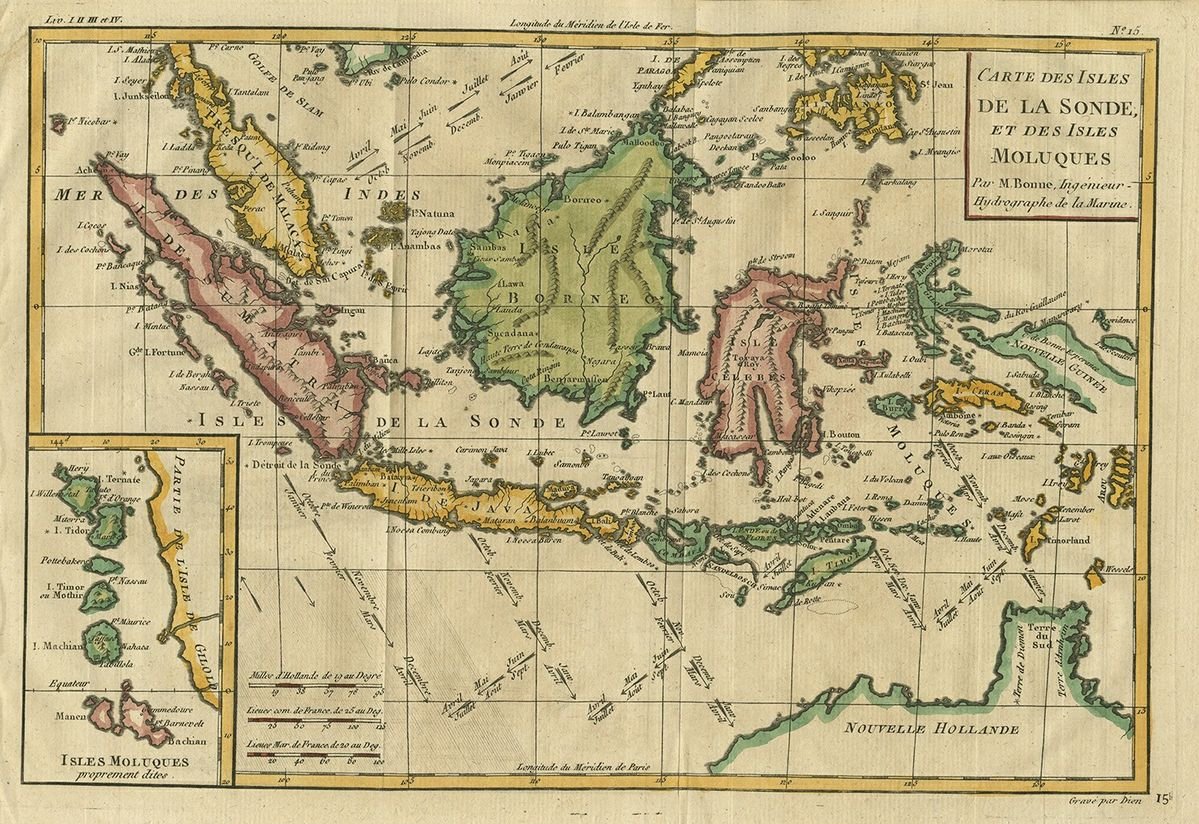
Long before the word Indonesia existed, Malay already traveled. It moved with traders across ports, ships, and markets from Sumatra to Maluku, from Java to the Malay Peninsula. Its role was practical, not political. Malay was easy to learn, flexible, and functional. It did not belong to one dominant ethnic group in the archipelago, which made it neutral.
When Bahasa Indonesia was later formed, it was not created from nothing.
It was born from Malay, specifically Riau Malay, which would later be recognized as the standard form. This choice was not accidental. It was strategically used to later ease the hassle of introducing a new language as the native language.
Although its foundation is Malay, Bahasa Indonesia is a linguistic mosaic.Over centuries, it absorbed vocabulary and structure from many sources, some parts of regional languages like Javanese, Minangkabau, Sundanese and more foreign influences including Sanskrit (from early Hindu-Buddhist kingdoms), Arabic (through Islam and trade), Portuguese (early European contact), Dutch (colonial administration) and English (modern globalization).
This is why Bahasa Indonesia feels both familiar and layered. It carries the memory of trade, belief systems, colonial encounters, and resistance all embedded quietly in everyday words. Today, there are approximately 40–70 million native speakers and over 155 million second-language speakers, making it one of the most widely used languages in the world.
You might wonder why there are more second-language speakers than native ones. In a country with over a thousand ethnic groups, each with their own language and rhythm. Bahasa Indonesia lives in the spaces between. It’s the language we use when we step outside our own communities and meet one another.
Why Not Javanese?
This question matters. Javanese is still spoken by the largest ethnic group in Indonesia. But choosing Javanese as the national language would have meant favoritism, reinforcing ethnic hierarchy in a nation that was trying to imagine itself as equal.
There were other reasons too, Javanese has complex speech levels tied to social hierarchy, Malay was already widely understood across regions, Malay was simpler and more accessible Choosing Bahasa Indonesia was not about linguistic dominance. It was about unity without erasure.
While the Dutch colonized the Indonesian archipelago for roughly 350 years. Yet unlike some colonial powers, they did not attempt to impose their language widely.
Why? Because the system already worked. Indonesians were already communicating across regions using Malay. Instead of replacing it, the Dutch reinforced it, using Malay in schools, administration, and missionary education. Dutch remained the language of elites, officials, and colonizers.
By 1940, only about 2% of Indonesians spoke Dutch. Rather than colonizing language, the Dutch unintentionally helped standardize Malay. In the 19th century, Malay literature flourished.In the early 20th century, linguists published dictionaries and grammars that modernized and formalized the language.
After Indonesia declared their independence. The term “Indonesia” itself was originally coined by European ethnologists. Nationalists later reclaimed it, transforming an academic label into a political identity. When Indonesian youth declared Sumpah Pemuda (1928), they did something radical: One homeland, One nation, One language - Bahasa Indonesia.
They chose a language that did not belong to the powerful, but to everyone.
For much of Indonesia’s history, Bahasa Indonesia was a second language.
People spoke regional languages at home and Indonesian in public.That is changing. Urbanization, migration, and intermarriage have reshaped daily life. In cities, many children now grow up speaking Bahasa Indonesia as their first language, not because it replaced tradition, but because it allows communication across differences.
Bahasa Indonesia is not just a tool of communication. It is a political choice, a cultural compromise, and a quiet act of resistance. It allowed Indonesians to imagine themselves as one people before independence existed and continues to hold together a nation that is defined by difference. A language born from trade. Shaped by colonialism. Claimed by nationalism. And spoken daily by millions, not as a symbol, but as life itself.