

The Jasmine Philosophy: Java’s Fragrant Thread of Ritual and Resilience
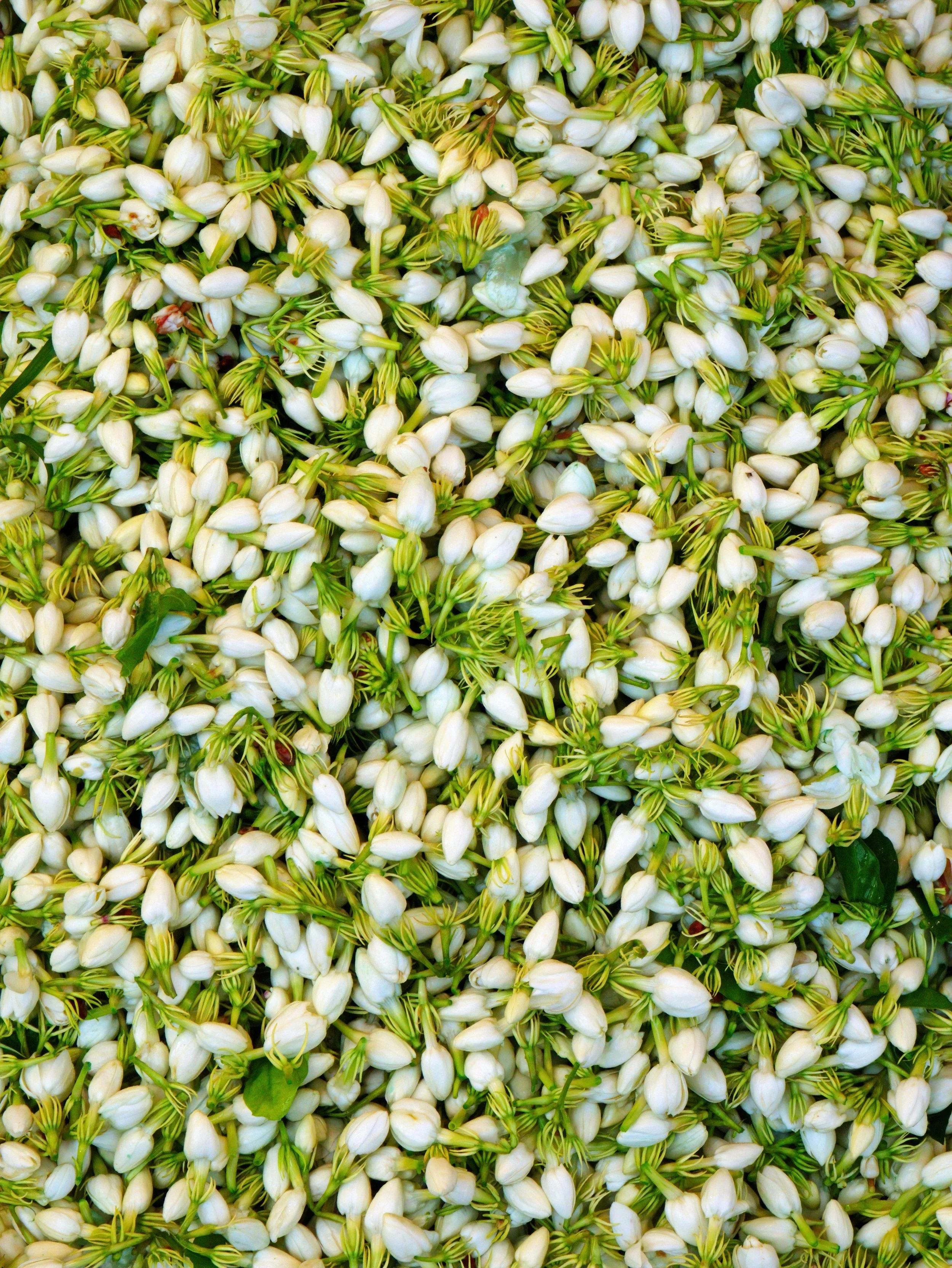
The Jasmine flowers are highly adaptable to Indonesia’s tropical climate, it typically blooms throughout the year. In Javanese tradition and philosophy, Jasmine flower or Jasmium Sambac has symbolic meanings. Jasmine is seen as a metaphor for purity and humility. The role of this flower also varies, it extends to cultural rituals and also used as a blessing symbol in ceremonies. As found in Serat Centhini (a Javanese literary work), jasmine flowers are described as integral to wedding preparations. First, the bride undergoes a traditional lulur (body scrub) treatment using natural ingredients. Following the bath, her hair is dried using fragrant smoke and completed with floral arrangements like Jasminum sambac (Melati) and Jasminum officinale (Melati gambir).
There are also other ceremonies that use Jasmine. Mitoni, a prenatal ritual performed in the seventh month of pregnancy, includes a bathing ceremony using water infused with fragrant bunga sentaman, which typically also includes jasmine. The water is poured over the mother who wears 7 layers of traditional jarik cloth each removed in sequence symbolizing the purification and protection. Another ceremony that uses jasmine flowers is Pangrukti Layon (Washing the Deceased), influenced by islamic tradition. Washing the body of the deceased is a religious obligation, the water is used as the primary medium for cleansing often infused with a lot of flowers and again one of them is the jasmine flower. The plants used serve both symbolic and sensory purposes, it is seen as a purifier of the body while signifying respect and reverence. Jasmine’s inclusion in the rituals shows spiritual and physical refinement in Javanese aesthetics.
There is a deep, symbolic link between the delicate white petals of the Jasmine sambac and the spirit of Javanese womanhood. To many, the flower represents a standard of grace defined by honor and quiet dignity. While often viewed through the lens of traditional gender roles, the jasmine honors the strength found in 'accepting' life's rhythms. It captures a uniquely Javanese resilience, an ability to remain fragrant and steadfast, blooming with patience even in the simplest of settings.
Beside the values that lie within the jasmine flower, it is also a big part of Indonesians daily life. Tea mixed with jasmine flower, is one of the most consumed drinks in Indonesia. People believe that drinking jasmine tea can provide physical freshness and health, because jasmine is known as one type of aphrodisiac or a substance that can stimulate sexual arousal, which can also provide a calming effect and reduce stress. Wangi jasmine (Melati) itself turns out to work like an anti-depressant drug.
Ultimately, the Jasminum sambac is more than just a botanical inhabitant of the tropics, it is the olfactory thread that binds the Javanese experience. It represents a unique sense of philosophy because it’s not only used for weddings, but it could also be used for death ritual and even being used on a day to day basis which represents a unique philosophy. It suggests that true beauty and health come from a place of calm resilience and groundedness. Whether draped over a bride or steeped in a teapot, the jasmine remains a reminder that even the smallest bloom can carry the weight of an entire culture’s devotion to grace, health, and peace.