

Why People in Yogyakarta Tend to Be So Friendly
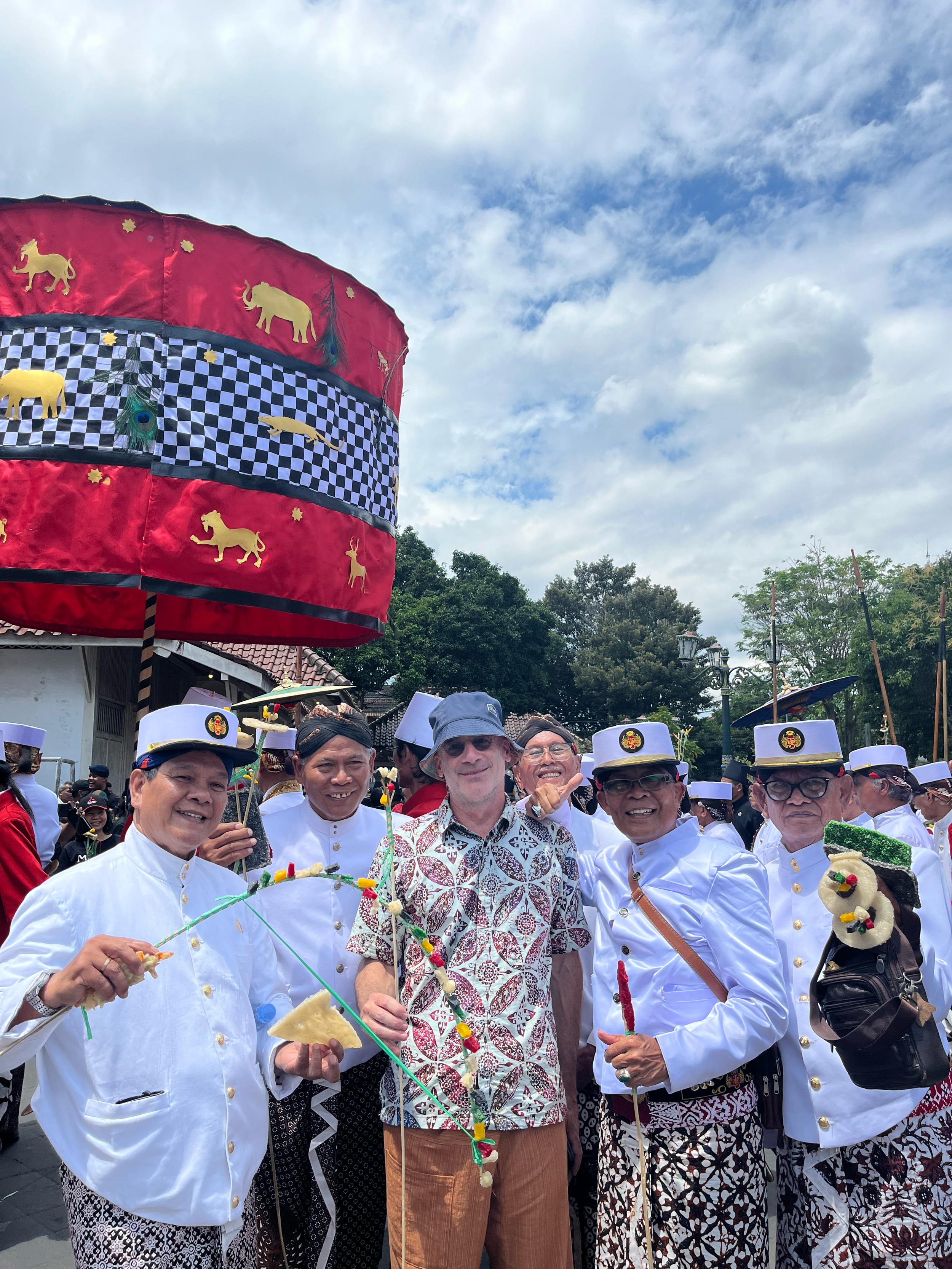
If you’ve ever spent time in Yogyakarta, you’ve probably felt it almost immediately, the warmth, the politeness, the quiet kindness in everyday interactions. Strangers greet you with a smile, conversations feel gentle, and there’s an underlying sense of ease in how people relate to one another.
But this friendliness isn’t just a coincidence or personality trait. It’s deeply rooted in culture, history, and a shared way of life that has been shaped over generations. At the heart of Javanese culture lies the concept of rukun, living in harmony with others. In Yogyakarta, this is not just an ideal; it’s a social expectation. From a young age, people are taught to maintain smooth relationships, avoid unnecessary conflict, and prioritize collective balance over individual expression. Being friendly, then, is not optional, it’s a responsibility. It’s a way of keeping the social world stable and peaceful. Friendliness here is less about being outgoing and more about preserving harmony.
Yogyakartas culture places strong emphasis on alus, a refined way of behaving that includes gentleness, politeness, and emotional control. Speaking softly, choosing words carefully, and showing respect, especially to elders or strangers, are all part of this cultural framework. The opposite, kasar (rude or harsh behavior), is socially discouraged. This is why friendliness in Yogyakarta often feels subtle. It’s not loud or overly expressive, but calm, considerate, and deeply respectful. A smile, a nod, or a soft tone can carry significant meaning.
The cultural roots of Yogyakarta’s friendliness cannot be separated from the influence of the Keraton (the royal palace). For centuries, the values upheld by the palace, respect, humility, emotional restraint, and refined manners, have shaped the behavior of the wider society. These royal principles didn’t stay within palace walls; they spread into everyday life. As a result, what might appear as simple friendliness is actually a form of cultivated behavior, an expression of cultural refinement.
Life in Yogyakarta is strongly community-oriented. Many people grow up in kampung (close-knit neighborhoods), where daily life is shared and interconnected. In such environments, reputation matters. Being unfriendly doesn’t just affect personal relationships, it can influence how one is perceived within the entire community.
Friendliness, therefore, becomes a way to:
Maintain social harmony
Strengthen trust
Preserve a sense of belonging
It’s a social glue that keeps communities functioning smoothly.
Historically, Java, especially Yogyakarta was built on agriculture, particularly rice farming. This kind of work requires cooperation, irrigation systems, planting, and harvesting all depend on collective effort.
Because of this, people had to learn how to:
Work together
Build trust
Maintain good relationships
Over time, these practical needs evolved into cultural values. Cooperation wasn’t just necessary, It became a way of life, passed down through generations. Javanese communication tends to be indirect, emotionally aware, and highly sensitive to context.
People are taught to read the room, avoid making others uncomfortable and respond with care and subtlety. In this sense, friendliness is closely tied to emotional intelligence. It’s about understanding others without needing everything to be said explicitly.
One important nuance: friendliness in Yogyakarta doesn’t always mean openness. Someone can be warm, polite, and welcoming, yet still keep their deeper thoughts and feelings private. This is part of the cultural balance, maintaining harmony externally while managing emotions internally.
Understanding this helps avoid misinterpretation. What may seem like distance is often simply a different way of expressing respect and social awareness. In the end, the friendliness of Yogyakarta isn’t just about being nice, it’s a reflection of a deeply rooted cultural system. It’s about harmony over conflict, refinement over expression, and community over individuality.
And once you understand that, you begin to see that every smile, every soft-spoken word, and every small gesture carries something much deeper: a centuries-old way of keeping the world in balance.