

Taman Sari: The Living Legacy Behind Yogyakarta's Water Palace
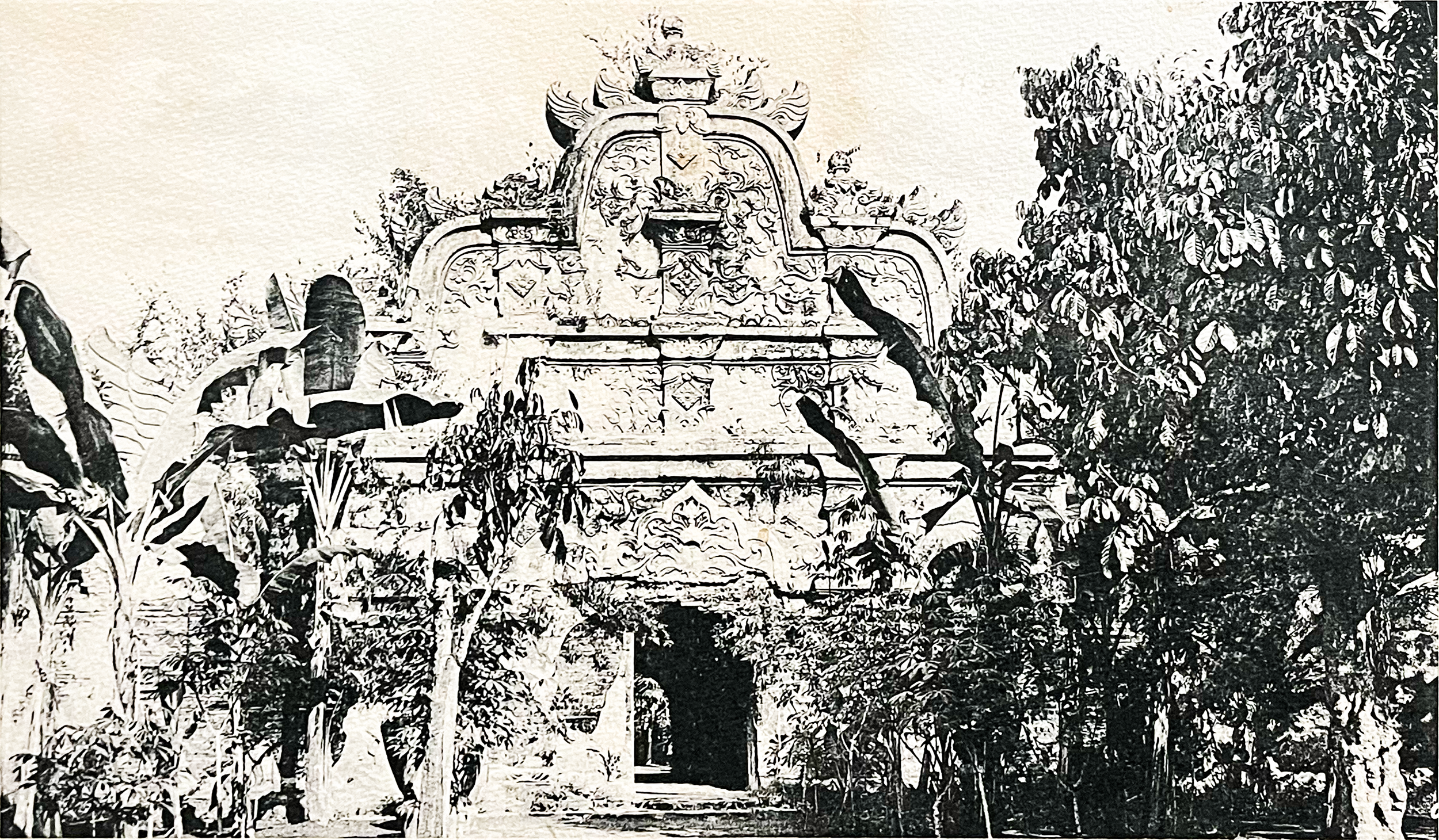
Tucked just southwest of the Yogyakarta Palace (Keraton), Taman Sari is far more than one of the city's most photographed landmarks. While many visitors know it for its iconic bathing pools and underground tunnels, the complex tells a much richer story, one of royal life, engineering, cultural exchange, and the enduring spirit of Yogyakarta.
A Garden Built for a Kingdom Following the establishment of the Yogyakarta Sultanate after the Treaty of Giyanti in 1755, Sri Sultan Hamengku Buwono I envisioned a place where beauty, spirituality, and governance could exist in harmony. Construction of Taman Sari began around 1758 and continued over several years, resulting in a sprawling royal garden unlike any other in Java.
The name Taman Sari itself translates to "beautiful garden" or "garden of essence," reflecting the Sultan's vision of creating a sanctuary where nature and architecture complemented one another. At its peak, the complex covered approximately ten hectares and consisted of around 57 structures, including bathing pools, artificial lakes, canals, pavilions, mosques, underground tunnels, bridges, and meditation spaces. Rather than serving a single purpose, every part of Taman Sari was carefully designed to support different aspects of royal life.
Although often referred to as the "Water Castle," Taman Sari was never simply a palace for leisure. It functioned as a multifunctional royal complex that balanced recreation, security, and spirituality. Members of the royal family used its gardens and bathing pools as places of relaxation, while secluded pavilions provided spaces for meditation and reflection. Hidden underground passages connected various parts of the complex, allowing the Sultan to move discreetly and serving as emergency escape routes during times of conflict. Artificial lakes once surrounded sections of the complex, transforming parts of Taman Sari into islands that could only be reached by boat.
This thoughtful combination of landscape design, architecture, and defensive planning demonstrates the remarkable sophistication of eighteenth-century Javanese engineering. A Meeting Point of Cultures One of the most fascinating aspects of Taman Sari is its architecture. Rather than following a single style, the complex reflects the cosmopolitan nature of Yogyakarta during the eighteenth century. Traditional Javanese design forms the foundation of the complex, emphasizing harmony between humans and nature. At the same time, European influences, particularly Portuguese and Dutch architectural elements, appear in the arches, decorative details, and structural forms. Islamic philosophy is also deeply embedded throughout the site, especially in the mosque and meditation areas that highlight the spiritual dimension of royal life.
The result is a cultural landscape where different artistic traditions coexist naturally, creating an architectural identity found nowhere else in Indonesia. A Landscape That Continues to Evolve. The Taman Sari visitors' experience today is only part of what once existed. In 1867, a devastating earthquake damaged much of the complex and disrupted the sophisticated water system that gave the site its nickname as the Water Castle. Over time, many lakes dried up, buildings collapsed, and local communities gradually settled around the remaining structures. Rather than disappearing, however, Taman Sari evolved. Houses, workshops, and small alleyways became integrated with the historic site, creating a living heritage landscape where residents continue to preserve traditions while welcoming visitors from around the world.
Recent studies describe this transformation not as the loss of Taman Sari's identity, but as part of its cultural evolution. For more than 250 years, the complex has adapted to political change, natural disasters, urban growth, and modern tourism while remaining an essential symbol of Yogyakarta's history.

What Makes Taman Sari Unique for Locals?
For the people of Yogyakarta, Taman Sari represents much more than a tourist attraction. It is a living reminder of the city's royal heritage and the philosophy that shapes Javanese life. Its uniqueness lies in several qualities:
• A living heritage rather than an isolated monument. Families continue to live around the complex, allowing visitors to experience history alongside everyday community life.
• Harmony between architecture and nature. Water, gardens, open spaces, and buildings were designed as one interconnected environment, reflecting the Javanese belief that humans should live in balance with nature.
• Layers of cultural influence. Taman Sari beautifully combines Javanese traditions with European architectural ideas and Islamic values, illustrating Yogyakarta's openness to cultural exchange.
• A symbol of resilience. Despite earthquakes, changing political eras, and urban development, Taman Sari has endured, continuously adapting without losing its historical significance.
• A place where stories remain alive. Local guides, artisans, batik makers, and residents continue to pass down stories about hidden tunnels, royal traditions, and the daily life that once filled the Water Castle.
Today, Taman Sari stands not simply as a preserved historical site but as a living cultural landscape. Every stone pathway, courtyard, and underground corridor reflects centuries of adaptation while preserving the vision of Sultan Hamengku Buwono I. Its true beauty lies not only in its architecture but also in its ability to connect the past with the present. Visitors come to admire its pools and tunnels, yet they leave with a deeper appreciation for Yogyakarta, a city where history is not confined to museums but continues to shape everyday life.