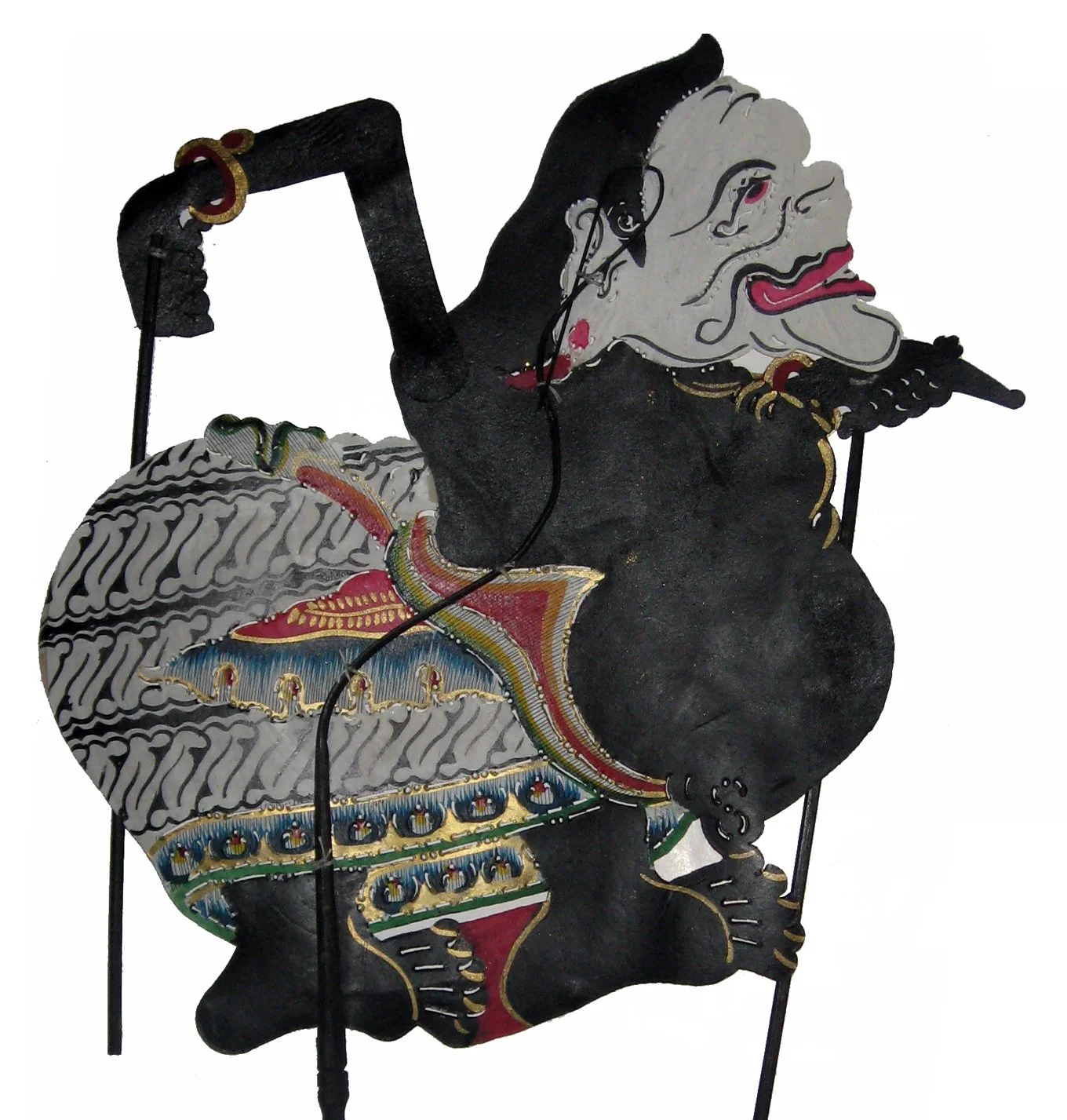
Semar: The Humble Figure Who Could Challenge Kings
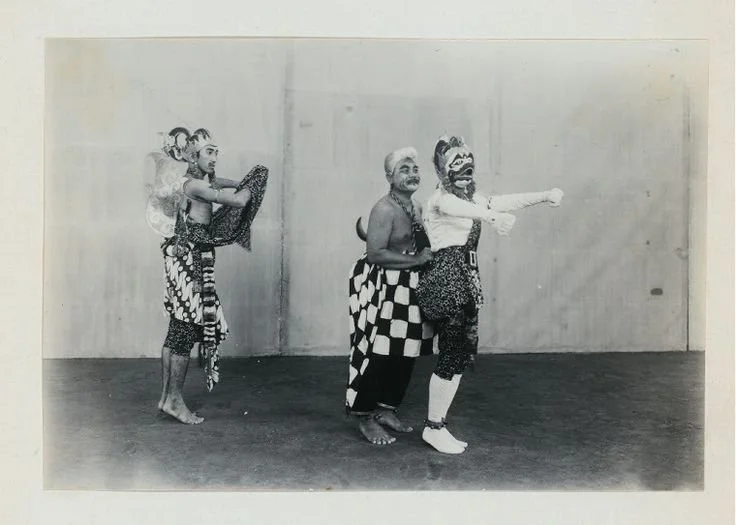
Imagine a story filled with powerful kings, magnificent palaces, and warriors capable of defeating entire armies. Now imagine that one of its most respected figures is a round-bellied, unassuming servant who makes people laugh.
That is Semar.
At first glance, he may seem like an unlikely hero. He wears no royal crown, carries no magnificent weapon, and has little interest in displaying his greatness. Yet in Javanese Wayang, Semar possesses something that even the mightiest kings sometimes lack: wisdom. He can advise great warriors, question powerful rulers, and remind those in authority of their responsibilities.
For generations, Semar has offered an answer that goes beyond wealth, status, or physical strength. And in Yogyakarta, where Javanese traditions continue to shape cultural life, his character offers a fascinating way to understand the values people have inherited, questioned, and passed on.
To understand Semar, we first need to understand his place in Wayang.
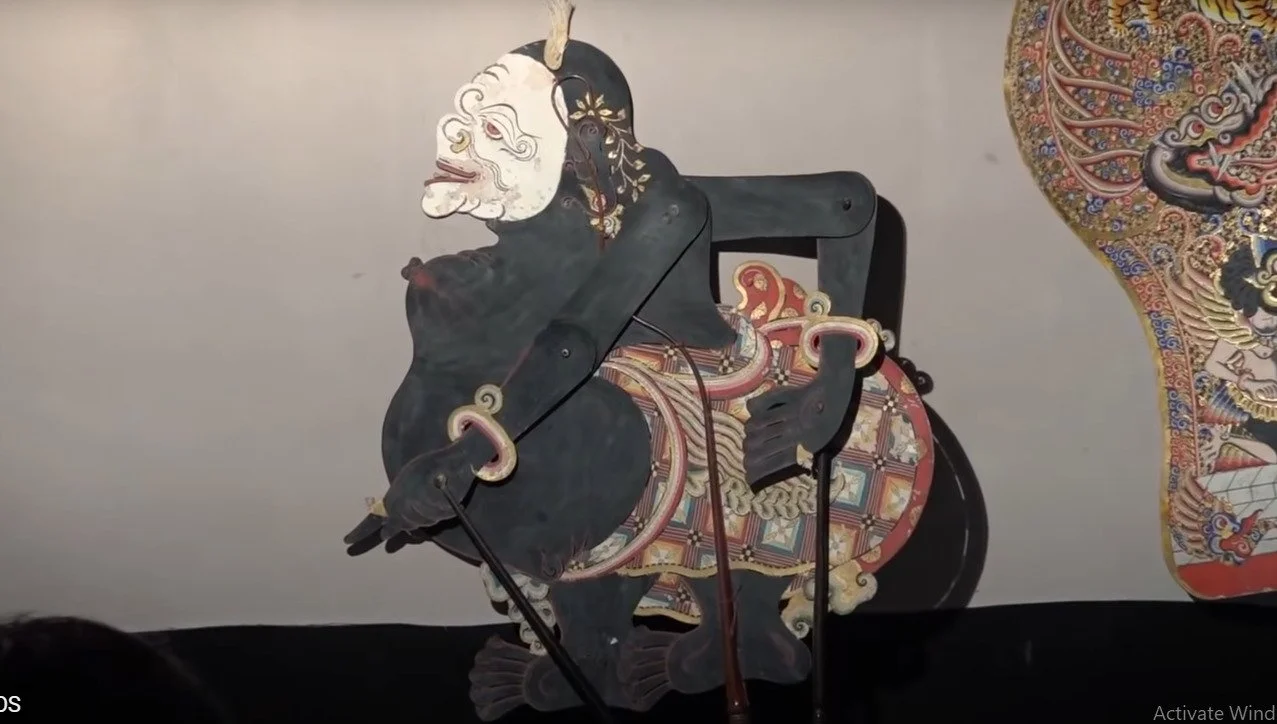
Wayang is a traditional Indonesian form of storytelling, particularly associated with Java and Bali. Among its many forms, Wayang Kulit uses intricately carved leather puppets to bring stories to life through shadow, music, dialogue, and the skill of a puppeteer known as a dalang. Many Wayang stories are adapted from the Indian epics Mahabharata and Ramayana, but Javanese storytellers have developed their own characters, interpretations, and philosophical traditions over centuries.
Among these distinctive figures are the Punakawan: Semar, Gareng, Petruk, and Bagong. They are often portrayed as companions and attendants to the noble Pandawa warriors. Through their conversations, humour, and advice, they bring everyday human concerns into stories otherwise dominated by kings, gods, and battles. Semar is the most prominent among them. His appearance is unusual, even contradictory. His rounded body and humble clothing stand apart from the elegant forms of noble warriors. His expressions combine humour with seriousness, while his identity often defies conventional categories.
But beneath his modest appearance lies an extraordinary figure.
In one widely known Javanese tradition, Semar is associated with Sang Hyang Ismaya, a divine being who lives among humans in the humble role of a servant and guardian. Different traditions tell his origins differently, but the underlying paradox remains compelling. Someone associated with divine wisdom chooses to stand beside ordinary people rather than above them. Semar is not merely there to entertain the audience or obey his masters. He is their pamong, a guardian and guide whose responsibility is to protect, nurture, and remind them when they lose their way.
Even powerful warriors need his guidance.
And therein lies one of Semar's most important lessons: no matter how accomplished someone becomes, they can still have something to learn from others.
In Javanese culture, there is a concept known as andhap asor, commonly understood as humility or modesty in one's behaviour towards others. It encourages people to recognise their own limitations and treat others with respect, regardless of social position. Semar embodies an interpretation of this ideal. Despite his extraordinary abilities and spiritual significance, he does not rely on a grand appearance to establish his worth.
Instead, his wisdom comes through care, patience, and an understanding of the people around him. This philosophy carries an interesting message about how we judge others. We often associate importance with visible achievements: prestigious titles, material possessions, influence, or social standing. Yet Semar reminds us that someone's true value may have little to do with how impressive they appear.
In everyday Yogyakarta, this ideal can offer another way of looking at the people who contribute quietly to community life.
Consider an experienced craftsperson patiently teaching a younger apprentice, an elder who helps neighbours resolve disagreements, or a person who offers assistance without expecting recognition.
These are not necessarily people who think of themselves as following Semar. But their actions can reflect the same idea: that wisdom and dignity do not need to announce themselves.
Humility, however, should not be confused with weakness or unquestioning obedience.
Semar may serve kings, but he is not afraid to challenge them.
One of Semar's most fascinating qualities is his relationship with authority.In the world of Wayang, kings and warriors possess immense power. They command armies, make decisions affecting entire kingdoms, and are often celebrated for their courage. But they are not always right. Semar's role is to remind them of this. His wisdom does not come from holding a higher position in the kingdom. Instead, it comes from recognising when pride, ambition, or misguided decisions threaten the wellbeing of others.
This becomes particularly interesting in the Wayang story Semar Bangun Kayangan, or Semar Builds Heaven.
The story explores Semar's desire to create a better order of life. The heaven he wishes to build is not simply a magnificent palace or a physical kingdom. It represents a world shaped by moral character, wisdom, and harmony between leaders and their people. Yet his intentions are misunderstood by powerful figures, including Krishna and Arjuna, who interpret his ambition differently.
The resulting conflict challenges an important assumption: that those with power necessarily understand what is best for everyone.During a Wayang Kulit performance in Parangkusumo, Bantul, on 29 January 2025, Dalang Parang Pertomo presented this very story as part of the cultural events surrounding the Yogyakarta Palace's Labuhan tradition. In his interpretation, the story carried a message about leadership and public welfare. A good leader must understand people's needs rather than prioritise personal or group interests.
It is a striking example of how an old Wayang story can still speak to contemporary concerns. For Semar, leadership is not simply the privilege of giving orders. It is the responsibility to listen, understand, and serve.
Yogyakarta is often associated with its royal palace, traditional arts, cultural ceremonies, and strong Javanese heritage. But to understand its culture, we also need to look beyond monuments and performances. Culture lives in daily interactions, community relationships, and the values people bring into ordinary situations. This is where Semar becomes particularly interesting. One of his defining qualities is ngemong, the act of nurturing, guiding, and caring for others with patience and understanding.
It is an idea that can resonate with the relationships found in Yogyakarta's kampung, or neighbourhood communities. An elder sharing advice with younger neighbours, a teacher supporting students beyond the classroom, or residents helping one another through difficult circumstances can all offer glimpses of this philosophy in practice.
Javanese society also has a long tradition of gotong royong, or mutual cooperation, in which community members work together for a shared purpose.
Although gotong royong is not a teaching exclusive to Semar, it shares an important principle with his character: that living well involves recognising our responsibilities towards other people. Of course, Yogyakarta is a diverse, changing place. Its residents come from different backgrounds, generations, and beliefs. Not everyone interprets Javanese philosophy in the same way, and ideals such as humility and harmony are not always reflected perfectly in daily life. Perhaps that is precisely why these stories remain valuable.
They offer something to reflect upon, rather than a fixed description of how everyone should behave. Semar does not represent a perfect society. He offers a way to question what a better society might look like.
There is another side of Semar that makes him particularly relatable: his humour. Together with Gareng, Petruk, and Bagong, Semar brings laughter into Wayang performances that might otherwise be dominated by serious conflicts between rulers and warriors. The Punakawan frequently joke about ordinary life, human weaknesses, and the problems affecting society. But their humour is not always merely entertainment. It can also be a form of criticism.
Through jokes and playful conversations, the Punakawan can express concerns about authority, injustice, and social behaviour that might be difficult to address directly. The audience laughs, but beneath the laughter there is often something worth considering. This role connects Wayang with the world beyond the performance. A dalang may draw upon contemporary issues, local experiences, or public concerns when presenting these characters. The story can become a conversation between inherited tradition and present-day society. In this way, Semar reminds us that important truths do not always arrive through serious speeches.
Sometimes, they arrive through laughter.
Semar's relevance in Yogyakarta is not confined to historical texts. On 19 January 2026, a Wayang Kulit performance in Kinahrejo, on the slopes of Mount Merapi, presented the story Semar Bangun Desa - Semar Builds a Village - during a cultural gathering ahead of the Labuhan Merapi ceremony. Performed by dalang MW Dwija Sancoko, the story explored the meaning of developing a community.
Its message went beyond the construction of buildings, roads, and other infrastructure. A village, the story suggested, also needs people who practise responsibility, compassion, and mutual care. It is a particularly fitting message for a character whose greatest strength lies not in what he possesses, but in how he guides and protects others. These performances reveal something important about Wayang.
Although its stories have deep historical roots, their meanings are not frozen in the past. Each generation of storytellers and audiences can encounter them through the concerns of their own time. Semar continues to offer a language for discussing leadership, human relationships, and the responsibilities we share.
It would be easy to look at Semar as simply another fascinating character from Javanese mythology. But doing so might overlook what makes him so enduring. His story invites us to reconsider the people we admire, the qualities we associate with leadership, and the way we treat those around us. He reminds the powerful that their position does not make them infallible. He reminds the accomplished that they still need guidance. And he suggests that those who appear ordinary may possess extraordinary insight.
For people exploring Yogyakarta, understanding Semar offers a glimpse into the philosophical traditions that continue to influence the region's cultural imagination. And for those who call Yogyakarta home, his story can be an invitation to reflect on familiar values through a different lens. Because perhaps the greatest lesson Semar offers is not about becoming powerful enough to challenge a king.
It is about becoming wise enough to recognise when power needs to be challenged. After all, sometimes the person with the most to teach us is the one we least expect.
At Lokally, we believe understanding a place begins with understanding its people, their stories, and the traditions that shape their lives. Through stories like Semar's, we explore the many layers of Yogyakarta, beyond the places we visit and into the ideas that connect us.