

Ramadan in Yogyakarta: Traditions That Bring the City to Life
Ramadan in Yogyakarta is more than just a month of fasting, it’s a time when centuries-old traditions come alive across the city. From royal ceremonies at the palace to community gatherings in villages, these rituals reflect how deeply culture and faith are intertwined in Javanese life.
Here are some of the most meaningful Ramadan traditions you can witness in Yogyakarta.
Padusan, Purifying the Body and Soul
Before Ramadan officially begins, many people in Java take part in Padusan, a ritual cleansing tradition practiced in Yogyakarta, Central Java, and East Java. Padusan usually takes place one day before the first day of fasting. People gather at natural water sources such as springs, rivers, or beaches to bathe together. The act of bathing symbolizes purification of both the body and the soul, preparing oneself spiritually for the holy month. The tradition reflects the Javanese belief in introspection and self-reflection before entering an important spiritual period. Padusan itself is believed to have roots in ancient Javanese kingdom customs, where ritual cleansing was an important step before major ceremonies or sacred moments.
Grebeg Syawal, The Royal Celebration After Ramadan
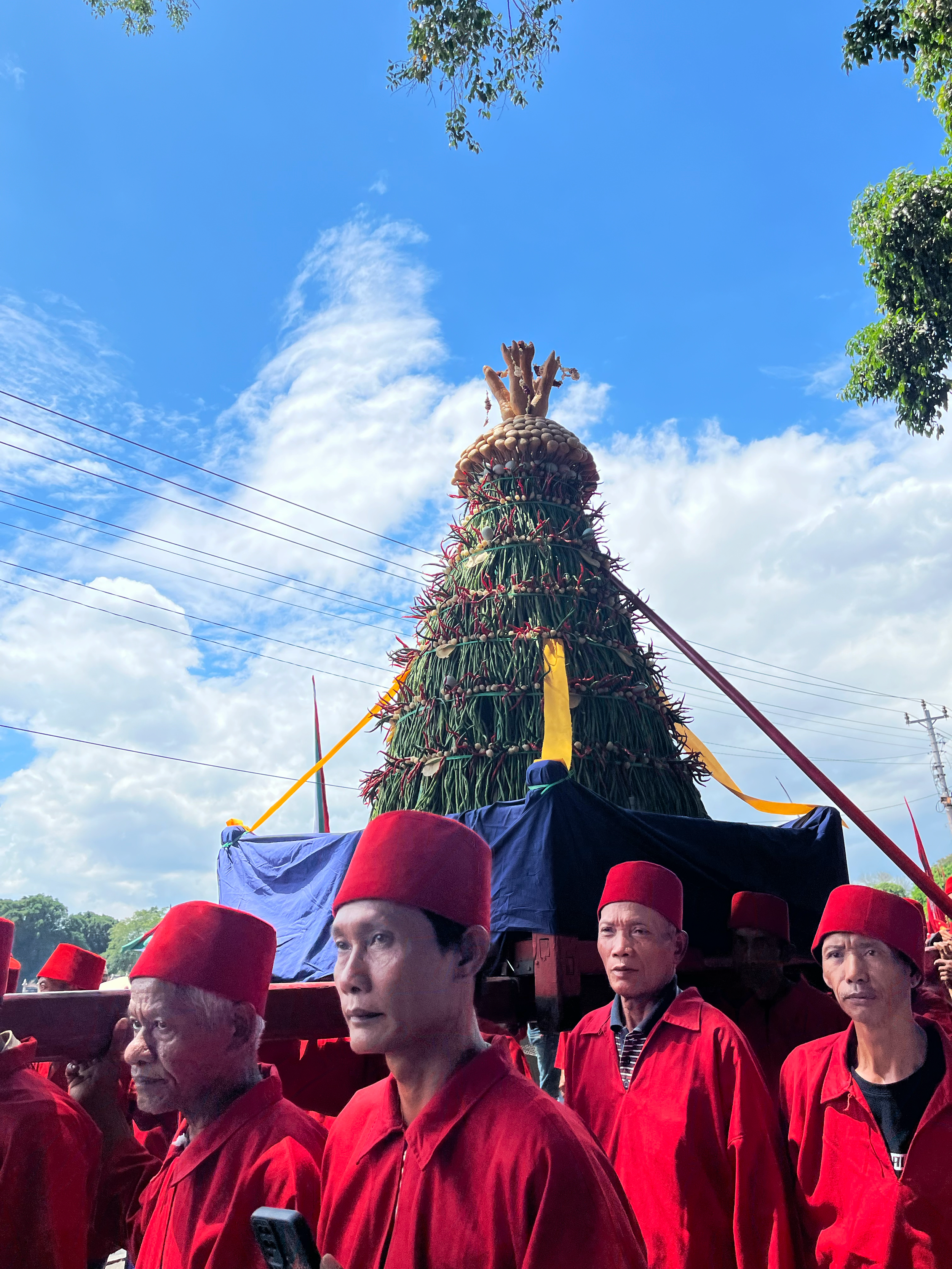
One of the most spectacular traditions in Yogyakarta happens after Ramadan ends, during the celebration of Eid al-Fitr. This ceremony is called Grebeg Syawal, and it is one of the most important royal rituals held by the Yogyakarta Sultanate. During the ceremony, the palace prepares giant offerings called Gunungan, mountain-shaped arrangements made from food, vegetables, and crops.
The royal soldiers carry these offerings in a grand procession from Keraton Yogyakarta (the royal palace) to Masjid Gedhe Kauman. After the Eid prayers, the Gunungan is distributed to the public. People eagerly collect pieces of the offerings because they are believed to bring blessings, prosperity, and good fortune.
More than just a spectacle, Grebeg Syawal represents:
Gratitude for completing Ramadan
The Sultan’s charity to the people
A symbolic sharing of prosperity and blessings
Tumplak Wajik, Preparing the Gunungan
Before the Gunungan can be paraded during Grebeg Syawal, another ritual must take place: Tumplak Wajik. Wajik is a traditional Yogyakarta snack made from sticky rice, coconut milk, and palm sugar. It has a soft, chewy texture and a rich sweetness that makes it a beloved local treat.
In the Tumplak Wajik ceremony, palace servants known as Abdi Dalem pour a large container of wajik onto a wooden platform called jodhang. This sticky rice cake becomes the base foundation of the Gunungan Wadon (the female Gunungan). Once the wajik base is set, the structure is decorated with various crops and food items. This ritual symbolizes abundance, prosperity, and preparation for the royal charity ceremony that will take place during Grebeg Syawal.
Bakdo Kupat, The Tradition of Forgiveness
About one week after Eid, another unique celebration takes place in many Javanese communities: Bakdo Kupat, also known as Kupatan. During this tradition, people prepare and share ketupat (kupat), rice cakes wrapped in woven coconut leaves, along with various side dishes.
Communities often bring their kupat to the mosque for selametan, a communal prayer gathering. Afterward, the food is shared among neighbors, friends, and family. In some areas, the celebration also includes wayang kulit (shadow puppet performances), turning the event into a lively community gathering.
Kupatan carries a deeper symbolic meaning. The word kupat is often associated with the Javanese phrase “ngaku lepat”, which means to admit one’s mistakes. The tradition therefore represents asking for forgiveness and strengthening relationships after Ramadan. Many people believe this tradition was introduced by Sunan Kalijaga, one of the legendary Walisongo (the nine saints who spread Islam in Java), as a creative way to introduce Islamic teachings through local culture.