

More Than a Teacher: The Man Behind the Movement
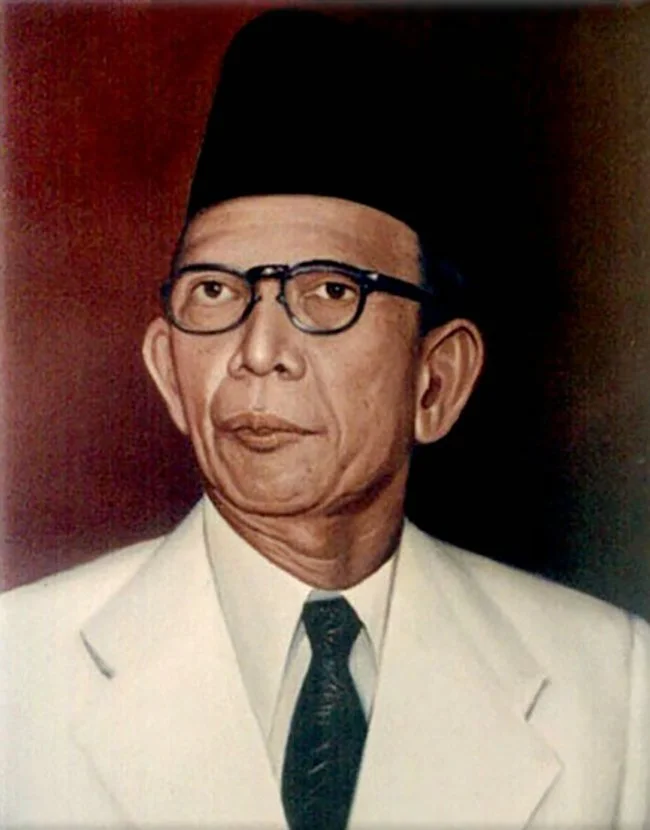
Born as Raden Mas Soewardi Soeryaningrat on 2nd may 1889 in the royal family of Pakualaman Sultanate in Yogyakarta. He’s been brave to oppose Dutch colonialism, with douwes dekker and cipto mangoenkoesoemo he built the indische partij that has 1 purpose, for Indonesia's independence. His critiques over the Dutch government were written in his book called “Seandainya aku seorang Belanda” and got exiled to Bangka, but his friends couldn’t take it, they supported Ki hajar dewantoro and then all three of them got exiled to Netherlands. They then used this opportunity to enrich their knowledge in the education field both studying as students, and learning how to teach. Ki Hajar Dewantara later even got an europe teacher certificate from being exiled, while also able to open a press agency called “Indonesisch Persbureau” in Den Haag, Netherlands this press agency is used to voice the Indonesian national movement.
In 1919, Ki hajar dewantara came back to Indonesia, and continued to keep criticizing the dutch colonialism in Indonesia, his action kept getting him in and out of the prison. On 3rd of july 1922, he established educational institutions Taman Siswa in Yogyakarta. Since then, he has used the name Ki Hajar Dewantara. In this school, every child regardless of their class could study in this school. This school has a motto that is still used to this day, it sounds like “Ing Ngarso Sung Tulodo, Ing Madyo mangun karso Tut wuri Handayani” that means, leading and giving the best example, in the middle ignites passion, and behind provides motivation”. This motto is set to apply on every layer of the school with no exception. After Indonesia's Independence, Soekarno as Indonesia's president at that time appointed Ki Hajar Dewantoro as the Minister of Education.
“Pendidikan adalah tempat persemaian segala benih-benih kebudayaan yang hidup dalam masyarakat kebangsaan” – Ki hajar dewantara,
So it means, culture and education are one piece that cannot be separated. To achieve the culture and the life that we desire, education is the key to a stable foundation of that society. It also means a lot for teachers, it said that teachers are not only teaching, they’re also the key to push and pursue all of the dreams and life that a country has. The philosophy that Ki Hajar Dewantara shared about education is change, it’s like a solar system it will never stop and it is not static, it always has to follow and continue to evolve with the environment.
From Ki Hajar Dewantara’s perspective, education that could develop emotional, spiritual, intellectual, and social skills for a student is very important. IQ numbers are just numbers that could be an indicator that a student is smart but students also have to have high morals, have a strong sense of responsibility and accountability, and have sympathy for those less fortunate. This philosophy reflects a humanistic approach that values the unique potential of each individual. He sees that every student has their own unique potential that could be built and developed with different approaches as needed. He emphasized the importance of balancing individual needs and social interests in education. He believed that education should develop individuals who are free to think, create, and act, while remaining within a strong framework of social responsibility.
Tamansiswa actually inspired a lot of educators to build new schools that could be accessible for everyone. They also pursue the importance of culture within the education system rather than schools built by the Dutch at that time. Since then, schools in Indonesia always have classes for students to learn their own culture, it is based on where they are, they’re learning about the regional language, cultures and traditions to preserve the land they’re standing on.
Ki Hajar Dewantara didn’t just build schools, He built a way of thinking. One where education is not about producing workers, but about shaping humans. Humans who can think, feel, question, and care. And maybe his greatest legacy isn’t just Taman Siswa or Tut Wuri Handayani.
But rather this:
A reminder that education should never take away our freedom, but help us understand what to do with it.