

Candi Ijo: the unique temple of Yogyakarta
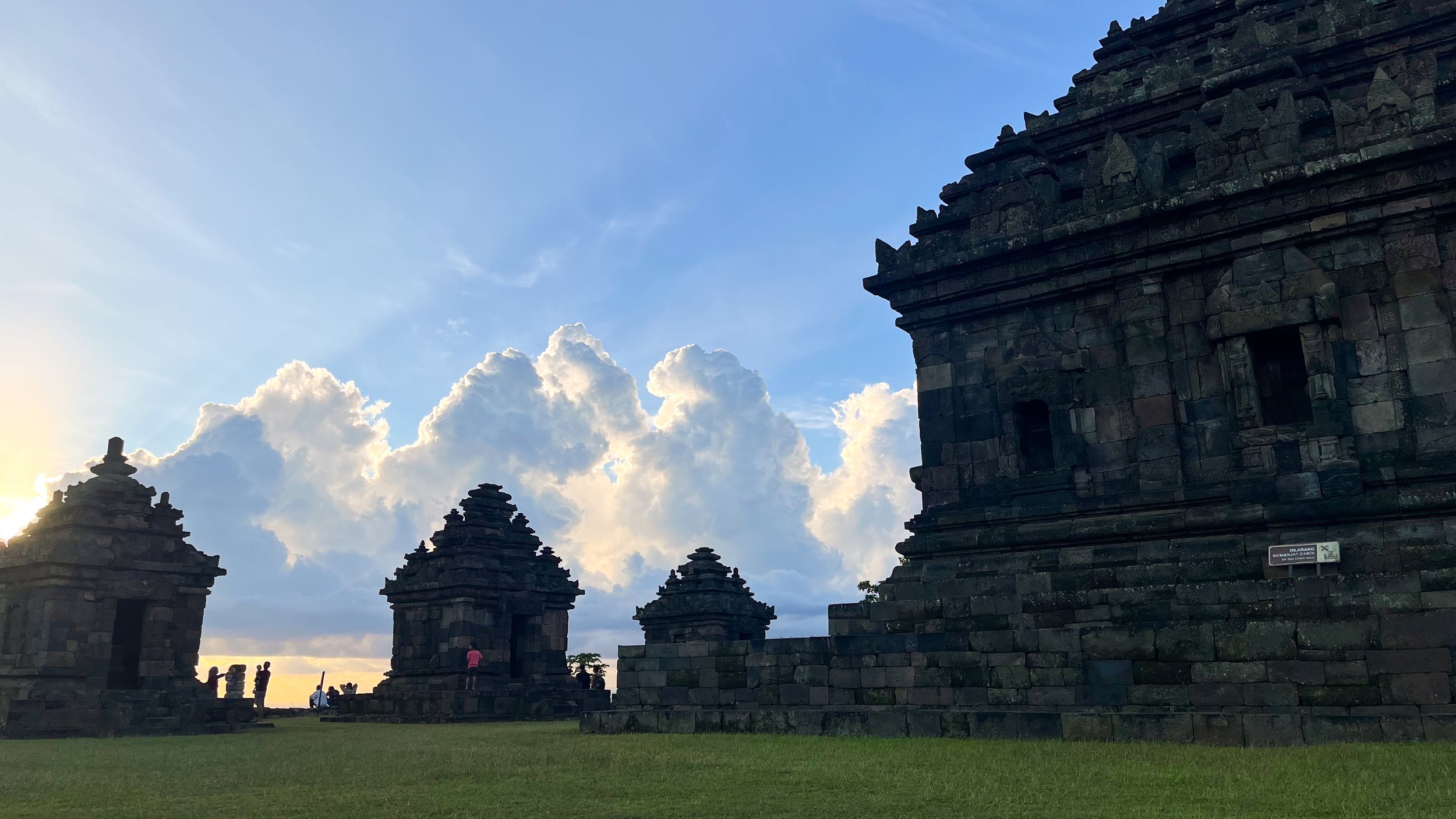
Candi ijo, located on a hilltop in Dukuh Groyokan, Yogyakarta made it one of the highest placed candi in Yogyakarta. This candi also offers a magnificent view from the top of the hill, it is the place where you can see the sky clearly while feeling the breeze and discover the history behind the temple. In this article we will uncover its history while also talking about our experience on going there. We're excited to share what we seen, and felt.
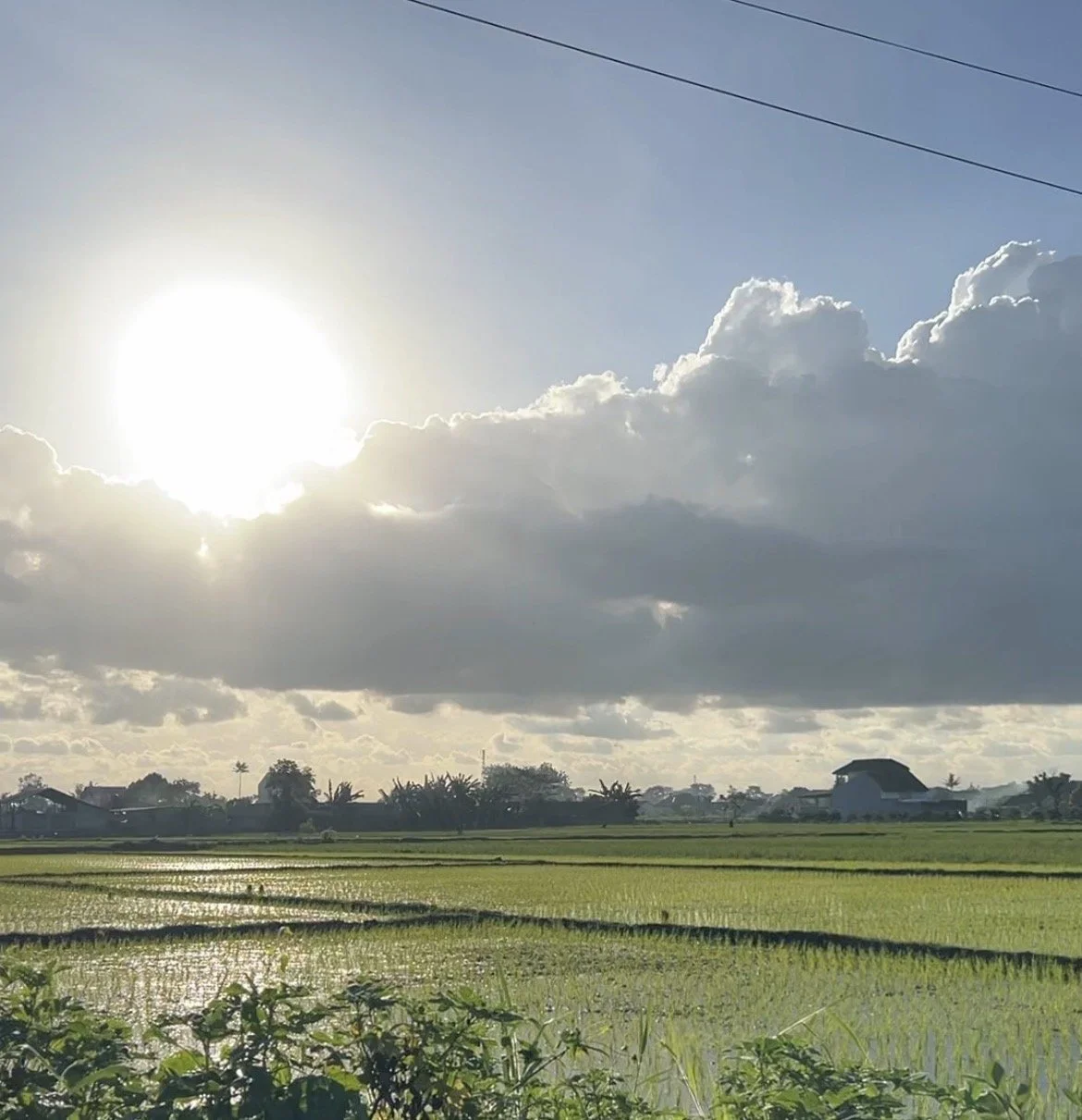
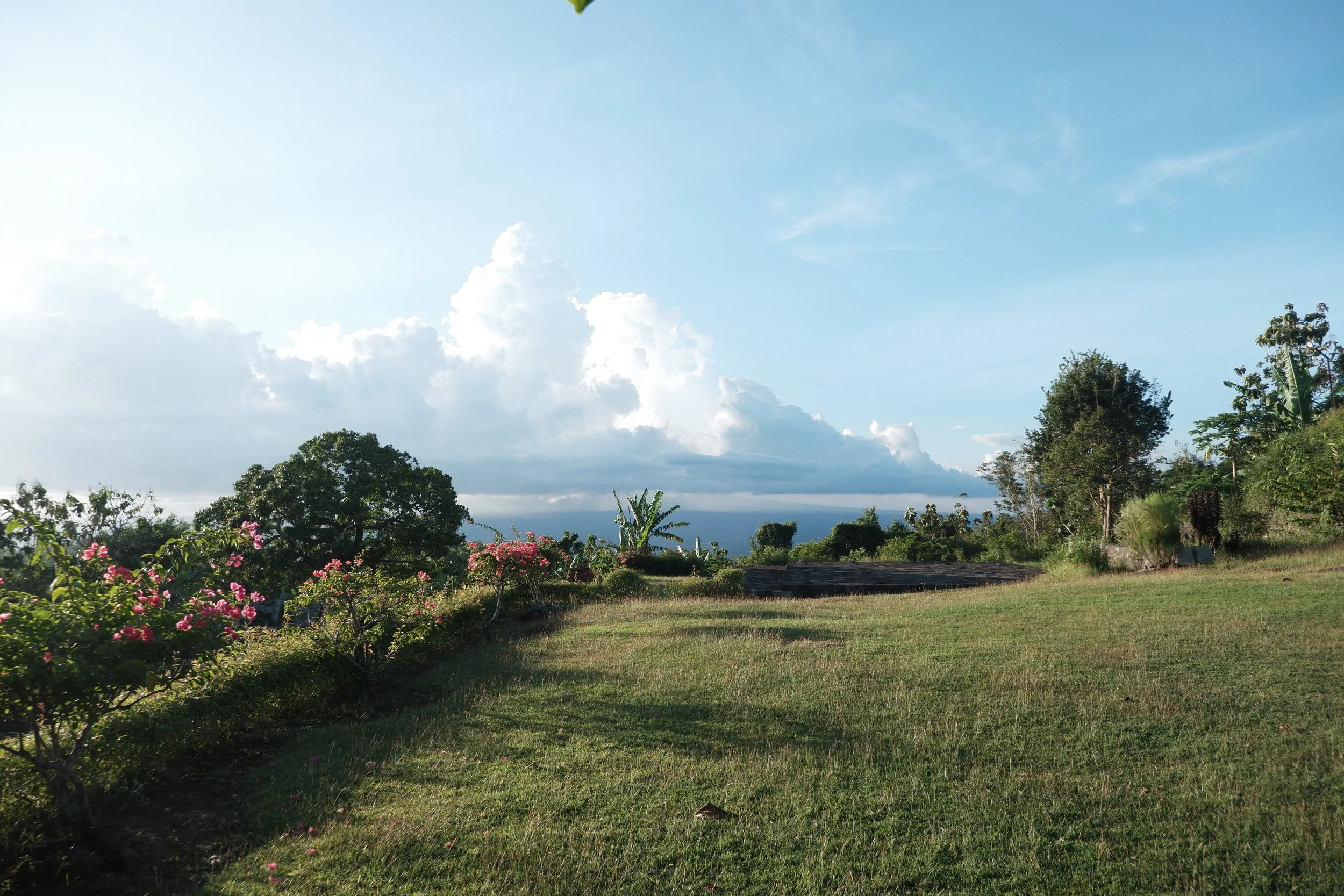
We started our journey from the city at around 3.30PM, we rode our bikes to pass through the road. We saw a lot of rice paddy nearby, and we’re so lucky that we saw such a big cloud below the sun. Even though the temple is only 30 minutes away from the city, we felt like the air quality was better and a little cleaner. After that, we started the journey of going up the hill by motorcycle for around 5 to 10 minutes. The hill was quite steep but we managed through. On top, we enjoyed the evening, with even clearer air quality and such magnificent sunset that accompanied us.
After the journey, we decided to find out more about this temple, it made us wonder why it’s placed so high up? And what’s the history behind it?. So, we did our research by reading the signs there and some books.
We found out that Candi Ijo is actually thought to be built around 9th century AD during the reign of the Sailendra dynasty around the same time as Prambanan Temple and Sambisari Temple. This temple was founded by Kings Rakai Pikatan and Rakai Kayuwangi from the Ancient Mataram Kingdom. This temple is believed to have taken approximately 20 years to build, this temple was built as a place of worship for Hindu gods, especially Shiva. Of all the temples in the Yogyakarta region, Candi Ijo occupies the loftiest position perched just below the crest of a 427-metre hill and commanding breathtaking vistas over the surrounding plains, a quality that will likely strengthen its reputation as a must-visit destination. The placement of this temple was not by mistake, it actually aligns with the ancient Javanese Hindu belief, high places were considered closer to the gods and sacred mountains like Mahameru. The climb itself may have been part of the spiritual experience of pilgrims physically ascending toward the divine. For a long time, Candi Ijo wasn’t standing proudly like it is now. Large parts of it were buried underground and covered by soil, vegetation, and collapsed stones. Archaeologists only began serious excavation and restoration during the Dutch colonial era and later in the 20th century.
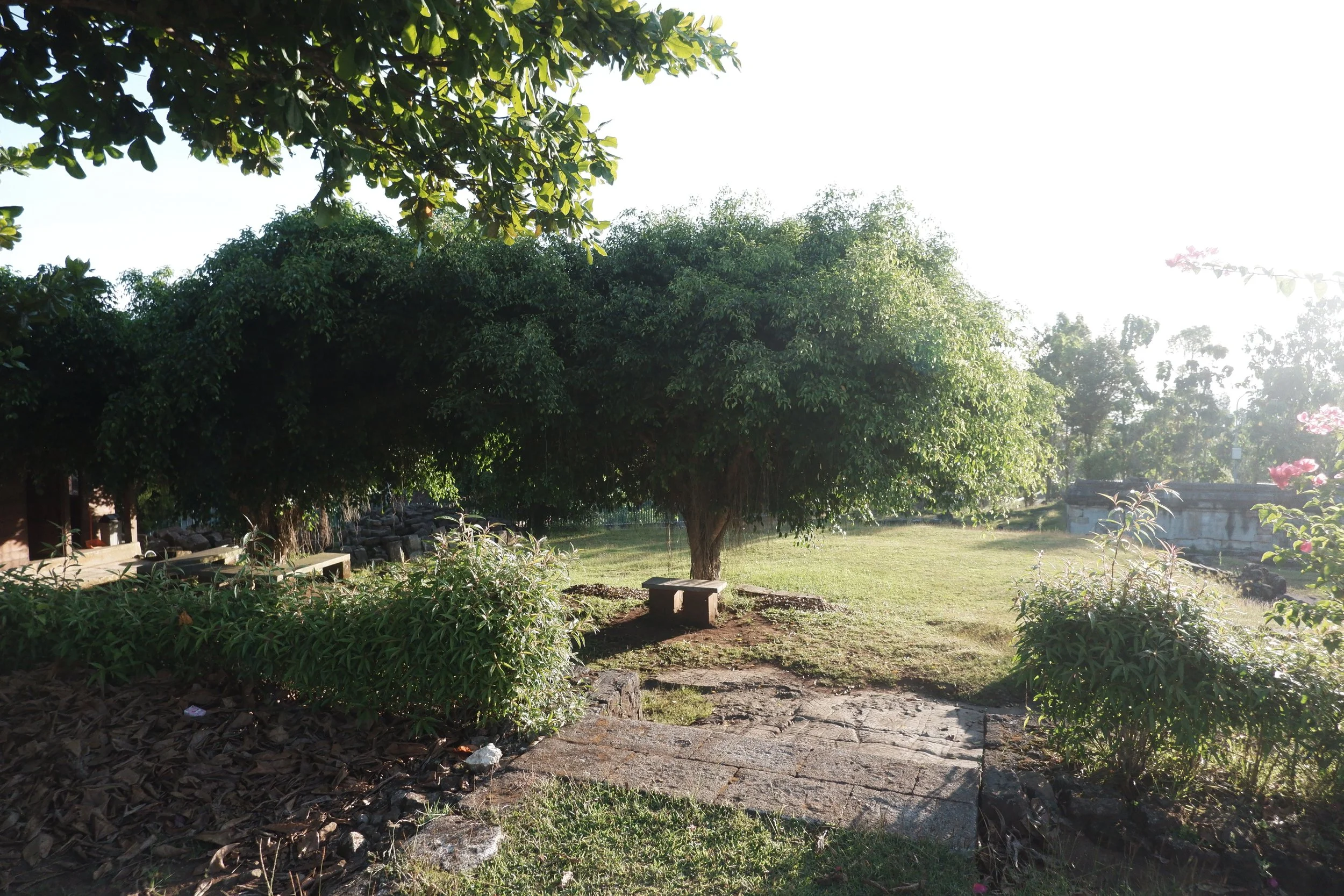
Candi ijo consists of 17 building structures on 11 terraces with the top being the highest position namely the main temple and it faces the west. The main temple has a square plan with the foot of the temple being square with kalamakara relief above the doorway, the body of it is decorated with reliefs that tell hindu stories such as ramayana and krishnayana. The roof of the temple is pyramid-shaped and decorated with small stupas. This temple is also decorated with various other ornaments, such as makara (dragon heads), nagas (dragons), and bidadari (nymphs). These ornaments add to the architectural beauty of Candi Ijo.
As we’ve experienced, Candi Ijo offers such a magnificent and new point of view to enjoy historical sites, it is also offering a new and unique experience since you can definitely enjoy the sunset while sitting around the temple complex. With its strategic location, this temple is one of people's favourites since it also provides a clear picture of Indonesia’s rich history. This temple continues to preserve and care for historical heritage in order to keep the nation’s identity. We hope that Candi Ijo will continue to be a silent witness to the long journey Indonesia will go through and become an inspiring destination for every generation ahead.