

Beyond the Battlefield: The Many Roles of Women in Indonesia’s Colonial Resistance
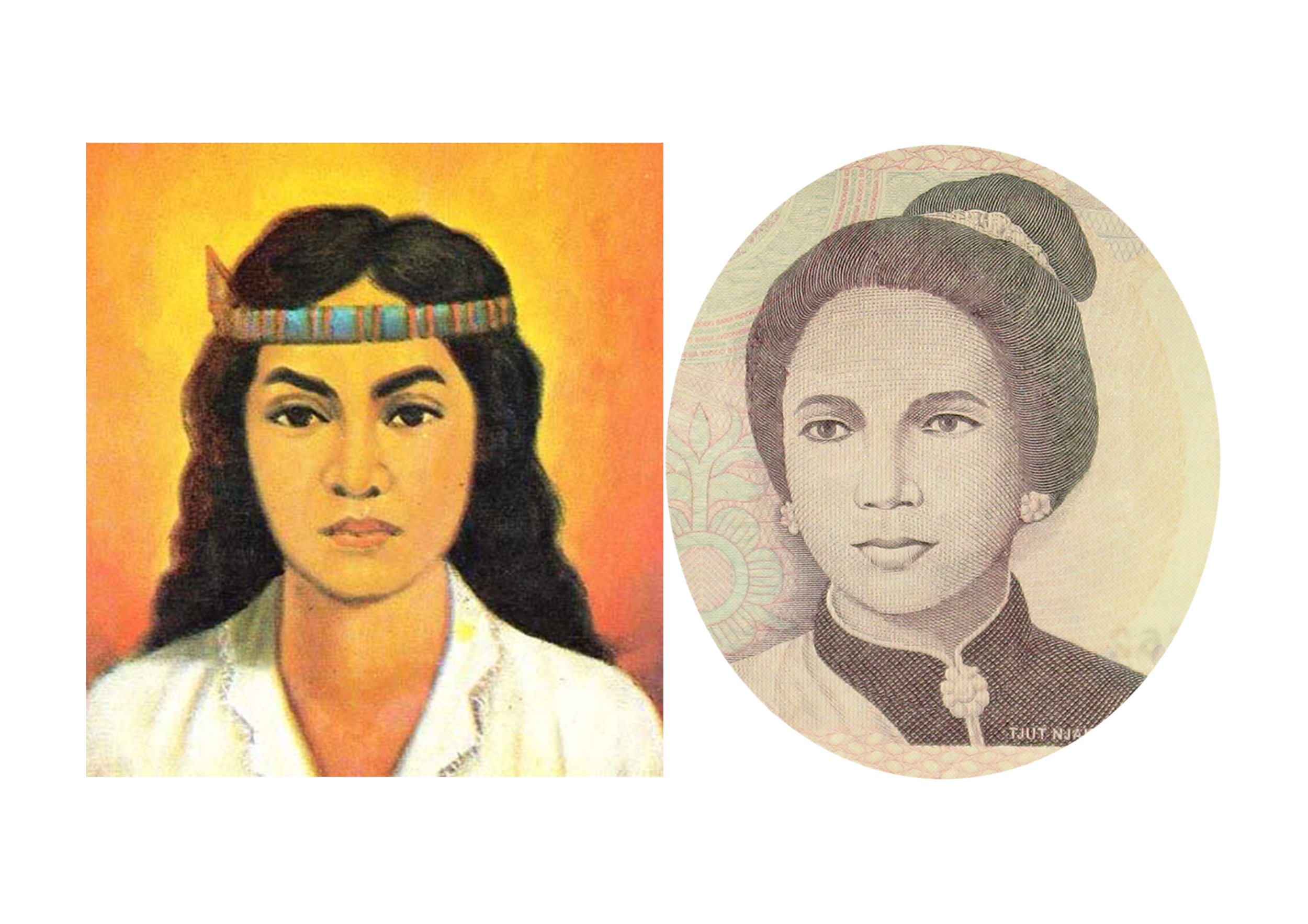
When we think about war, we often imagine battlefields filled with soldiers, weapons, and strategy, spaces historically dominated by men. But Indonesia’s fight against colonialism tells a broader story.
So, What’s the role of women during the Indonesian colonialism wars?
Long before independence, women were already resisting. Not always with weapons, but through education, influence, resilience, and everyday acts of survival. Their contributions weren’t confined to one form, they were layered, complex, and deeply impactful. Some stayed within domestic spaces, quietly shaping resistance from home. Others stepped directly into war, challenging societal expectations. Together, they redefined what it meant to fight.
Breaking the Boundaries of War
Figures like Cut Nyak Dien and Martha Christina Tiahahu stand as powerful examples of women who entered what was considered a male-dominated space: the battlefield.
But even within this shared space, their stories, and their ways of resisting, were uniquely their own.
Cut Nyak Dien: Leadership, Loss, and Unyielding Spirit
Born into Acehnese nobility, Cut Nyak Dien became one of the most influential leaders in the Aceh War against Dutch colonial forces in the late 19th century.
Her path to the battlefield was deeply personal. After her husband, Teuku Cek Ibrahim Lamnga, was killed in battle on June 29, 1878, grief turned into determination. She vowed to continue the fight, not just in his name, but for her people. Her leadership revitalized Acehnese resistance. Under her influence, the war shifted into guerrilla tactics, relying on mobility, endurance, and deep knowledge of the land. Even as her physical condition deteriorated, her resolve never wavered. Too weak to move independently, she continued leading, even carried on a stretcher, proving that strength isn’t always physical, but deeply rooted in conviction.
Eventually captured by the Dutch, she was exiled to Sumedang, West Java. There, far from the battlefield, she continued her resistance in a different form: teaching the Qur’an and nurturing spiritual resilience until the end of her life.
Martha Christina Tiahahu: Courage Beyond Age
If Cut Nyak Dien represents endurance, Martha Christina Tiahahu embodies fearless youth.
Born in Maluku, Martha was already immersed in resistance from a young age. She fought alongside her father, a leader from Abubu, and later joined the struggle led by Kapitan Pattimura. At just 17 years old, she was not only present in battles, she was actively involved. Known for her strong will and courage, she attended military discussions and participated in strategic planning. On the battlefield, she adapted to whatever was available. When ammunition ran out, she fought with a spear or even stones. Her determination turned limitations into weapons.
In 1817 the Dutch captured her, she was initially released due to her young age but her father was not as fortunate. Yet loss did not stop her, after her father’s execution, she returned to the struggle, continuing resistance efforts until she was captured again. Exiled and forced onto a ship bound for Java, Martha made one final act of defiance. She refused food and medical treatment from the Dutch. Her resistance continued even in captivity.
She died on January 2, 1818, just two days before her 18th birthday.
The stories of these women reveal something deeper than heroism, they expand our understanding of resistance itself. Resistance wasn’t singular. It wasn’t only about weapons or warfare. It lived in classrooms, in homes, in quiet defiance, and in relentless spirit.
Women in Indonesia’s colonial era didn’t just support the struggle,they shaped it. Across age, region, and circumstance, they proved that the fight for freedom was never limited by gender.
It was defined by courage.